ssk Elon Musk’s DOGE Regret: How a Foray Into Washington Became a Costly Miscalculation

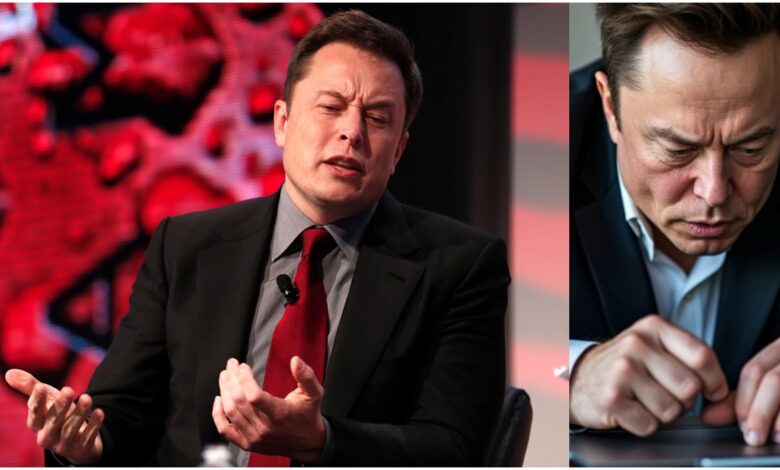
Elon Musk has built his career on audacity. From electric cars to reusable rockets and brain–computer interfaces, he has repeatedly wagered his reputation on ideas others deemed impossible. Yet in a rare moment of candor, the world’s most famous tech billionaire has admitted that one of his boldest recent moves was not visionary at all—but a mistake. His involvement with the so-called Department of Government Efficiency, better known as DOGE, Musk now concedes, was a decision he wishes he could undo.
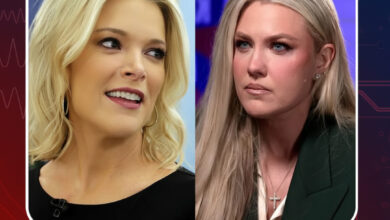
Speaking on The Katie Miller Podcast, Musk reflected on his time in Washington with an uncharacteristic tone of regret. If given another chance, he said, he would not take the controversial post again. Instead, he would have stayed focused on his companies—Tesla, SpaceX, and his other ventures—rather than immersing himself in a political experiment that yielded little tangible success and exacted a heavy personal cost. The confession landed like a thunderclap, signaling a sharp departure from the bravado that has long defined Musk’s public persona.
DOGE was initially pitched as an ambitious attempt to bring Silicon Valley efficiency to the federal government. At a time when public trust in institutions was low and frustration with bureaucracy was high, the idea had intuitive appeal. Musk, known for slashing costs and defying convention, seemed like a natural figurehead for such a project. Supporters imagined streamlined agencies, data-driven decision-making, and a shake-up of entrenched inefficiencies. Critics, however, warned that government was not a startup—and that Musk’s confrontational style might do more harm than good.
Those warnings soon proved prescient. From the outset, DOGE became a lightning rod for controversy. Musk’s association with politically charged figures and his willingness to weigh in on polarizing issues dragged him into partisan battles that overshadowed the initiative’s stated goals. Rather than being judged on policy outcomes, DOGE was increasingly viewed through the lens of culture wars and personality clashes. The project’s actual accomplishments, if any, were quickly drowned out by headlines about infighting, public backlash, and Musk’s own inflammatory remarks.
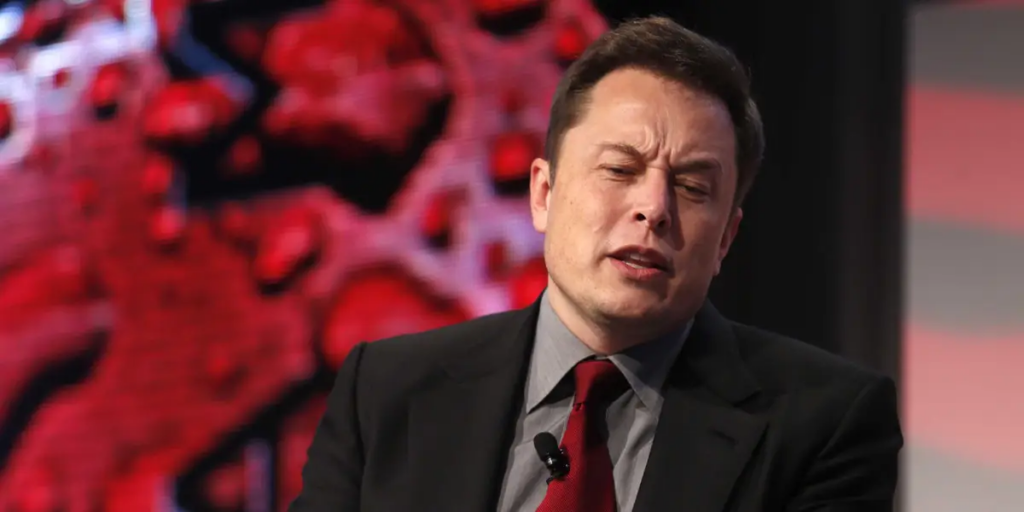
For Musk, the reputational damage was significant. Once celebrated almost universally as a visionary entrepreneur, he found himself increasingly framed as a divisive political actor. Investors, employees, and fans began to question whether his attention was stretched too thin. Every misstep in Washington seemed to echo back into his corporate empire, affecting stock prices, brand perception, and internal morale. DOGE, intended to showcase Musk’s problem-solving prowess, instead highlighted the limits of applying tech-world logic to the machinery of government.
What makes Musk’s recent admission so striking is not just the substance of his regret, but the fact that he voiced it at all. Musk is famously reluctant to acknowledge failure. When setbacks occur, he typically reframes them as necessary steps toward eventual success. This time, however, his words carried no such spin. He described DOGE as a poor use of his time—an implicit acknowledgment that the costs outweighed any benefits. For an entrepreneur whose identity is closely tied to relentless forward momentum, that is no small concession.
The fallout from DOGE also underscores a broader tension between technology leaders and political power. In recent years, Silicon Valley executives have increasingly ventured into public policy, convinced that their expertise can fix what traditional politicians cannot. Sometimes, these efforts lead to meaningful contributions. Often, however, they collide with the realities of democratic governance: competing interests, legal constraints, and the slow grind of consensus-building. Musk’s experience with DOGE may become a cautionary tale for others tempted to believe that disruption alone is a substitute for political skill.
There is also a more personal dimension to Musk’s regret. His brand has always been inseparable from his image—part genius inventor, part rebellious outsider. DOGE altered that image in ways he could not fully control. Instead of being seen primarily as a builder of the future, he became enmeshed in the present’s ugliest disputes. The toll was not just professional but emotional, as relentless criticism and scrutiny followed his every move. In that context, his longing to retreat back to the relative clarity of engineering challenges is understandable.
Yet the story does not end with a simple lesson about hubris. Musk’s admission also reveals a capacity for reflection that is often overlooked. Acknowledging a mistake of this magnitude requires a willingness to reassess priorities and confront uncomfortable truths. Whether this marks a lasting shift in how Musk approaches power and influence remains to be seen. What is clear is that DOGE has become a defining chapter in his career—not for what it achieved, but for what it exposed.
As Musk recalibrates his focus, many will watch to see if he truly steps back from political entanglements. His companies still face enormous challenges, from scaling sustainable energy to advancing space exploration. These are arenas where his talents are undeniable and where his impact is less distorted by ideological battles. If he follows through on his stated regret, DOGE may stand as the moment that reminded him where his strengths truly lie.
In the end, the saga of DOGE is a story about limits—of influence, of expertise, and of reputation. Elon Musk entered Washington believing he could bend it to his will. He leaves, at least rhetorically, having learned that even the most powerful innovators are not immune to miscalculation. For readers, the lesson resonates beyond one man’s career: ambition can open doors, but humility is often what determines which ones should remain closed.