On paper, America looks strong. The markets keep grinding upward, the unemployment rate seems “manageable,” and officials insist the system is resilient. But underneath that polished surface sits a brutal math problem:
$38 trillion in national debt, over $1 trillion a year in interest, and states whose budgets were never designed for this kind of pressure.
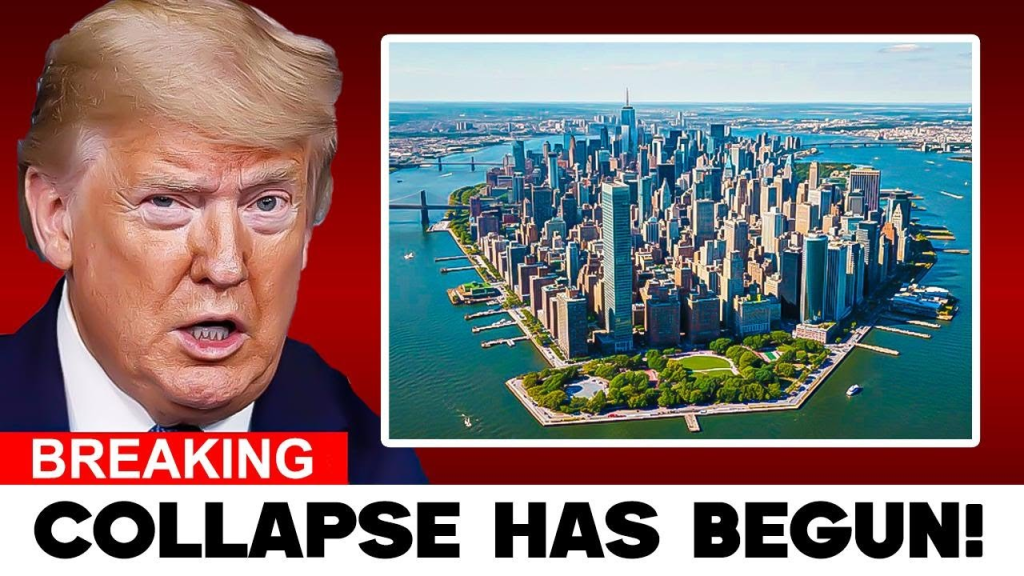
As federal borrowing costs explode, state economies that were already fragile are starting to crack. Residents are leaving, tax bases are shrinking, housing is becoming unaffordable, and industries that once held everything together are hollowing out.
The result? A map of the United States where 15 states stand on a much thinner ledge than anyone in Washington wants to admit.
Energy States on Life Support
Take Alaska and Louisiana—two places rich in oil, but poor in stability.

Alaska gets roughly 85% of its revenue from one thing: oil. When prices dip, the state bleeds instantly. A single downturn recently wiped out $1.5 billion in tax revenue almost overnight. Meanwhile, groceries cost 35% more than the national average, heating bills are spiking, and young workers are leaving in a quiet exodus. The wilderness is beautiful, but the numbers are ugly.
Louisiana tells a similar story with even deeper pain. It produces 10% of America’s energy, yet poverty hovers near 18%. Climate disasters like Hurricane Ida have caused tens of billions in damage. Coastal land is literally disappearing. Oil jobs are vanishing, investments are drying up, and every downturn slams schools, hospitals, and basic services.
The Giants with Clay Feet
Then come the heavyweights—New York, Texas, California, Florida—states that look powerful from the outside but are held together by increasingly fragile systems.
New York’s $2.6 trillion economy hangs on finance, real estate, and corporate services. If Wall Street sneezes, Albany catches pneumonia. Office towers sit half-empty, commercial values are down, rents are sky-high, and 650,000 people have already left since 2020. With debt and pension promises stacked to the ceiling, one sharp shock could send the state into a spiral of layoffs, cuts, and crisis.
California, the “world’s fifth-largest economy,” is staggering under tech layoffs, commercial vacancies, and a broken housing market. Silicon Valley has lost tens of thousands of jobs. Office space in San Francisco stands mostly dark. Tax revenue is shrinking just as social needs explode. The dream is still there—but so is a fiscal cliff.
Texas and Florida, long marketed as boom states, are quietly accumulating risk like dry brush before a fire. Texas is overexposed to oil, overheated housing, and an overstretched grid. Florida’s entire model—tourism, retirees, coastal property—is at war with rising costs, surging insurance, foreclosures, and climate reality. One serious downturn and both states could find themselves slammed from three directions at once.
Tourist Economies on a Knife’s Edge
States like Nevada and Hawaii exist on one basic assumption: people keep coming.
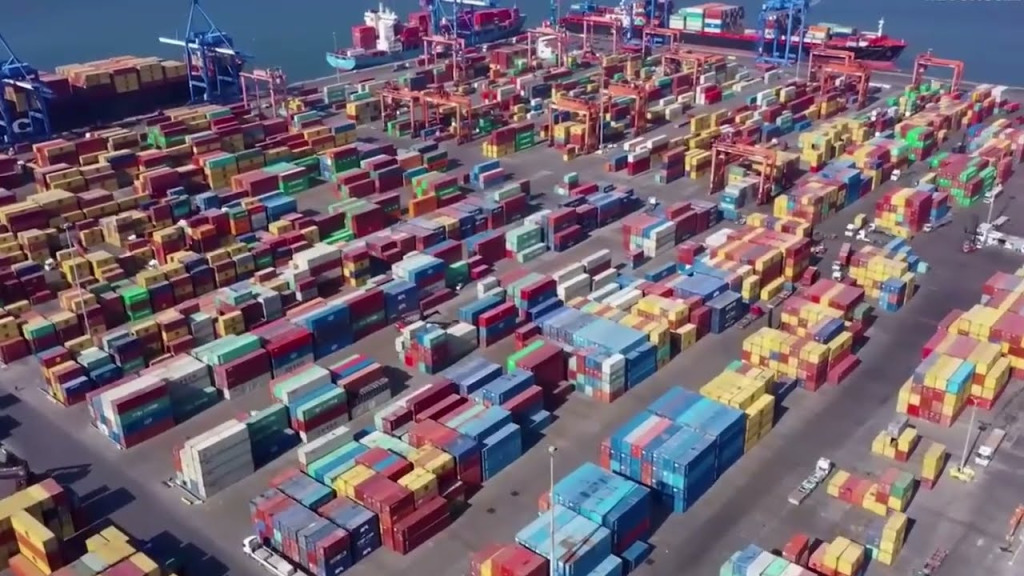
If tourism slows, their economies don’t just weaken—they collapse. Nevada’s unemployment hit nearly 30% in the last big shock. Hawaii’s fell off a cliff when flights stopped. Today, with travel softening and prices rising, both states are looking vulnerable again. When the visitors pull back, jobs vanish, mortgages default, and state revenue disappears in real time.
Overstretched, Overpriced, and Overexposed
In the middle of the country, states like Arizona, Illinois, Indiana, Washington, Maryland, New Jersey, and Delaware face different problems that lead to the same place: fragility.

Arizona is running up against water limits, surging housing costs, and slowing construction. Illinois is buried under pension debt and corporate flight. Washington is dangerously dependent on a handful of giant employers. Maryland leans heavily on federal spending. New Jersey is soaked in debt and property taxes. Delaware relies on paper corporate wealth that can evaporate in a downturn.
Each of these states has a different story—but the same pattern:
Too much debt.
Too little diversification.
Too high a cost of living for too many people.
And when the next recession hits at full speed, the pain won’t be evenly distributed. It will be concentrated—hard and fast—on places already stretched to the breaking point.
The markets still look calm. The headlines still sound reassuring. But on the ground, the warning signs are flashing everywhere.
The real question isn’t if the U.S. slides fully into recession.
It’s which states crumble first—and how many people get dragged down with them.