ss Justice Smith has spoken out forcefully against being mislabeled, calling out both fans and the media for oversimplifying and distorting his queer identity. His candid, no-holds-barred remarks have instantly ignited a heated debate, exposing uncomfortable truths about how Hollywood treats personal identity

In the ever-evolving landscape of Hollywood, where personal narratives often collide with public scrutiny, actor Justice Smith has emerged as a candid voice for queer autonomy.
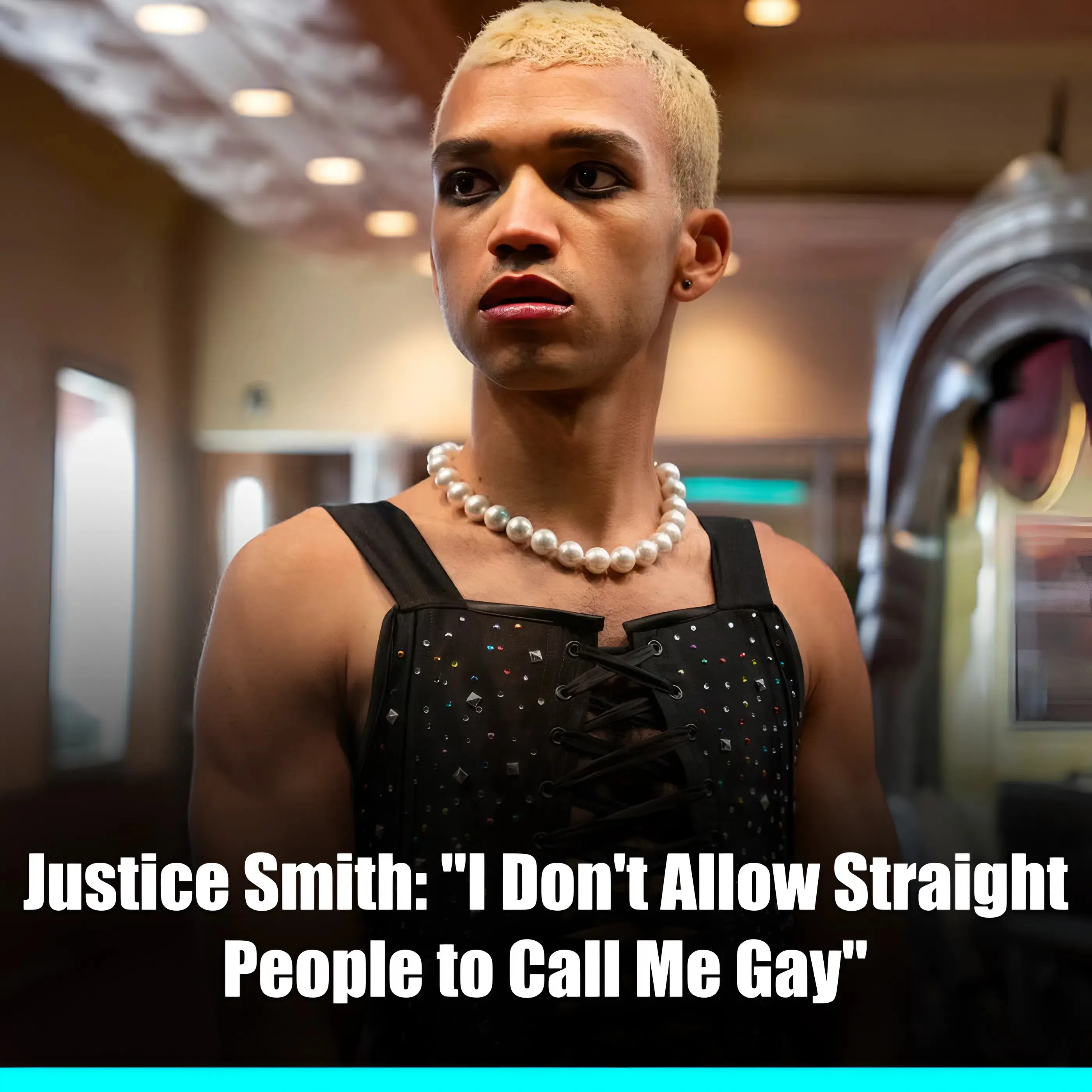
At 29, Smith—known for his breakout roles in Jurassic World: Fallen Kingdom, Pokémon: Detective Pikachu, and the haunting indie hit I Saw the TV Glow—recently delivered a masterclass in self-definition during a viral appearance on the TikTok series Gaydar.
Hosted by drag queen and actor Anania, the episode, which dropped in mid-November 2025, has sparked widespread conversation about the limitations of labels and the gatekeeping inherent in discussions of sexuality.
Smith’s frustration with being boxed into rigid categories like “gay” by outsiders underscores a broader cultural shift toward embracing the spectrum of queer identities, challenging fans, interviewers, and even straight allies to respect the nuances of personal experience.
The moment that ignited the internet came during Gaydar’s signature “verdict” segment, where Anania playfully sizes up guests to guess their orientation: gay, straight, or homophobe.
When it was Smith’s turn, the host pivoted with a direct question: “Would you just say you’re queer? What’s tea?” Smith’s response was both iconic and incisive: “I don’t allow straight people to call me gay.” The line, delivered with a mix of humor and edge, quickly amassed millions of views, turning into a meme-worthy clapback that resonated across queer social media.
As Smith elaborated in the interview, “I think straight people have a limited definition of what gay is.” He painted a vivid picture of the confusion that ensues when he casually references an ex-girlfriend in conversation—only for listeners to retort, “But I thought you were gay!” His comeback? “Okay, you don’t—you’re boring and you’re basic.”
This isn’t mere shade; it’s a pointed critique of how binary assumptions flatten the richness of queer lives. Smith’s words echo the experiences of many in the LGBTQ+ community who navigate fluid attractions without fitting neatly into one box.
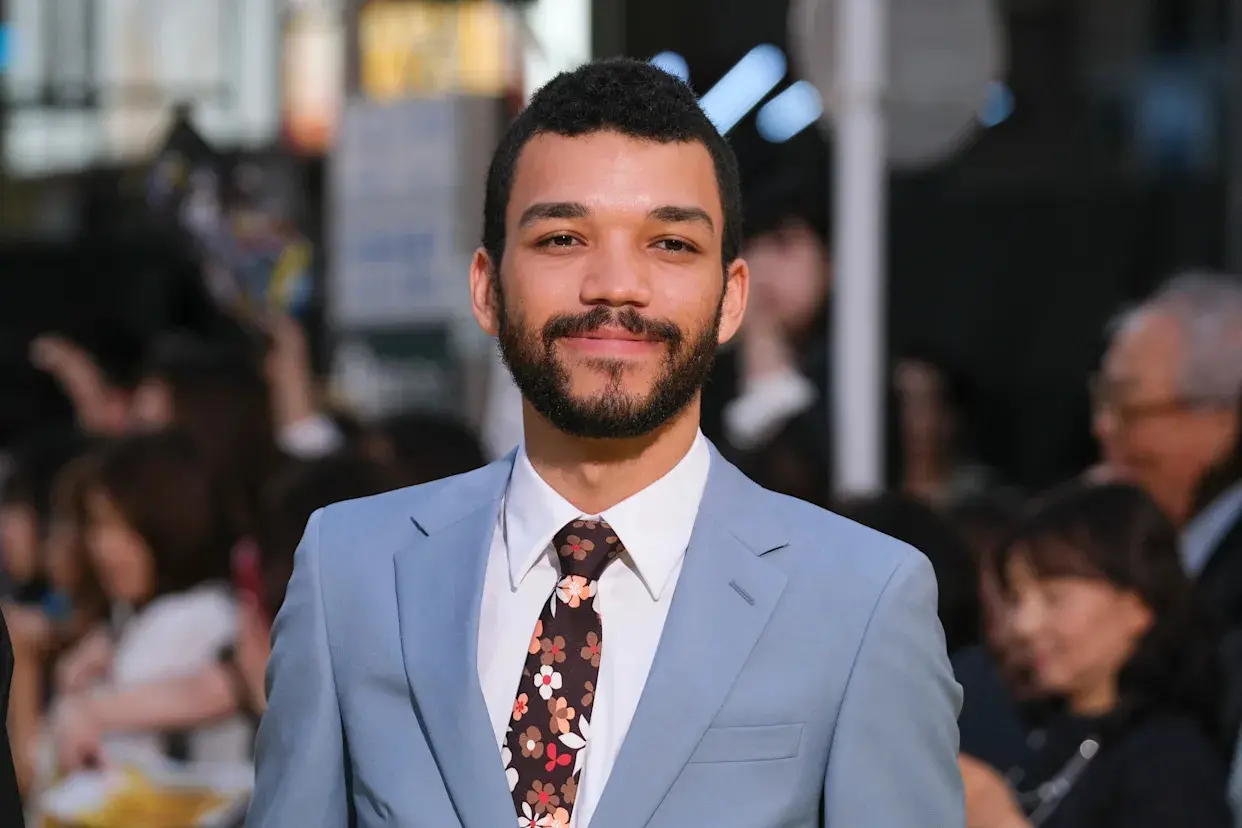
By invoking past relationships with women, he highlights the inadequacy of labels like “gay” when applied by those outside the community, who often equate it solely with exclusive same-gender attraction.
For Smith, “queer” offers a more expansive umbrella—one that honors bisexuality, pansexuality, and the messiness of human desire without demanding a verdict. As he put it on Gaydar, the term allows space for complexity, free from the “limited” lens of heteronormativity.
Smith’s openness builds on a foundation he’s been laying for years. He first publicly identified as queer in June 2020, amid the height of Black Lives Matter protests.
In an Instagram post that garnered widespread support, he wrote, “As a black queer man myself, I was disappointed to see certain people eager to say Black Lives Matter, but hold their tongue when Trans/Queer was added.” This intersectional stance—linking racial justice with queer and trans inclusion—positioned him as a fierce advocate early on.
He called out the hypocrisy within activist spaces, arguing that any movement excluding Black queer voices is “inherently anti-Black.” In a 2021 Men’s Health interview, Smith doubled down, stating he “wouldn’t want a career” if it meant suppressing his identity.
“It is in our conditioning to get as close to whiteness, straightness, maleness as we can because that’s where the power is,” he reflected. “But the revolution is not about appeal.”
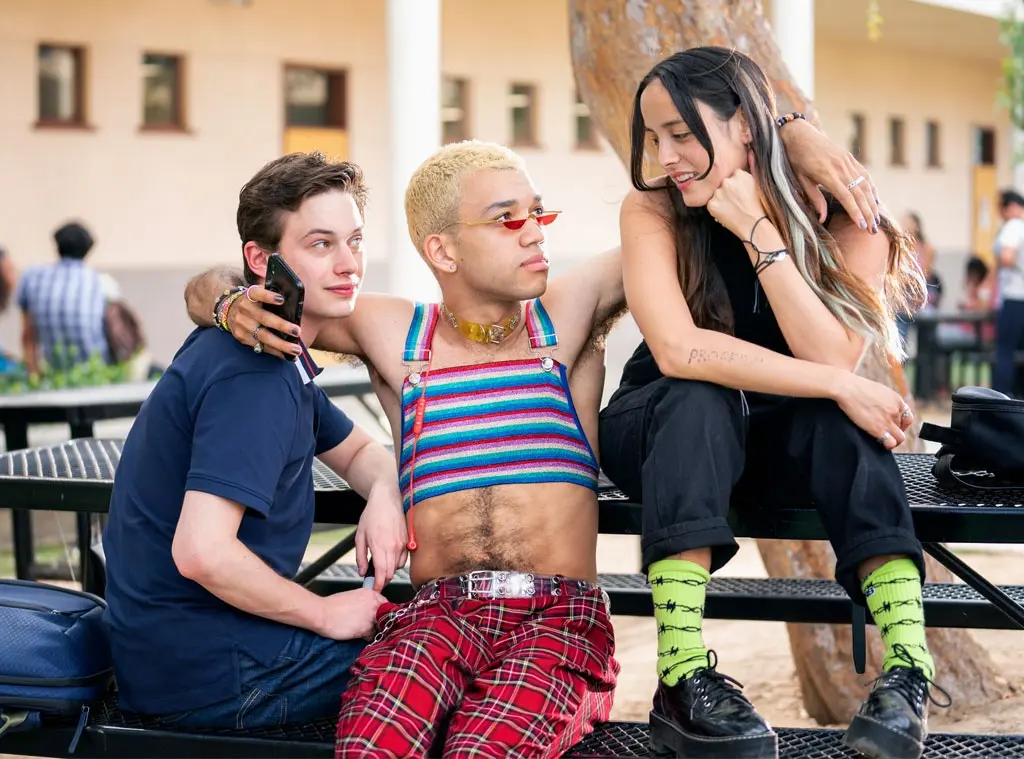
This latest pushback arrives at a pivotal moment in Smith’s career, as he steps into the spotlight with Now You See Me: Now You Don’t, the third installment of the illusionist franchise set for release in late 2025.
Directed by Ruben Fleischer, the film reunites the original cast—Jesse Eisenberg, Woody Harrelson, Dave Franco, and Isla Fisher—while introducing a new generation of magicians, including Smith alongside The Holdovers’ Dominic Sessa and Barbie’s Ariana Greenblatt.
Smith’s character, a socially conscious illusionist, embodies themes of chosen family and collective power, mirroring the queer ethos he champions off-screen. “These characters don’t have to be together, yet they choose to and to ‘celebrate each other’s differences,’” Smith told Queerty in a follow-up chat.
“And I do feel like there is a parallel to how we are in the [queer] community of just coming together and taking care of each other.” Magic, after all, has long been a queer-coded art form—a metaphor for transformation, deception, and revealing hidden truths.
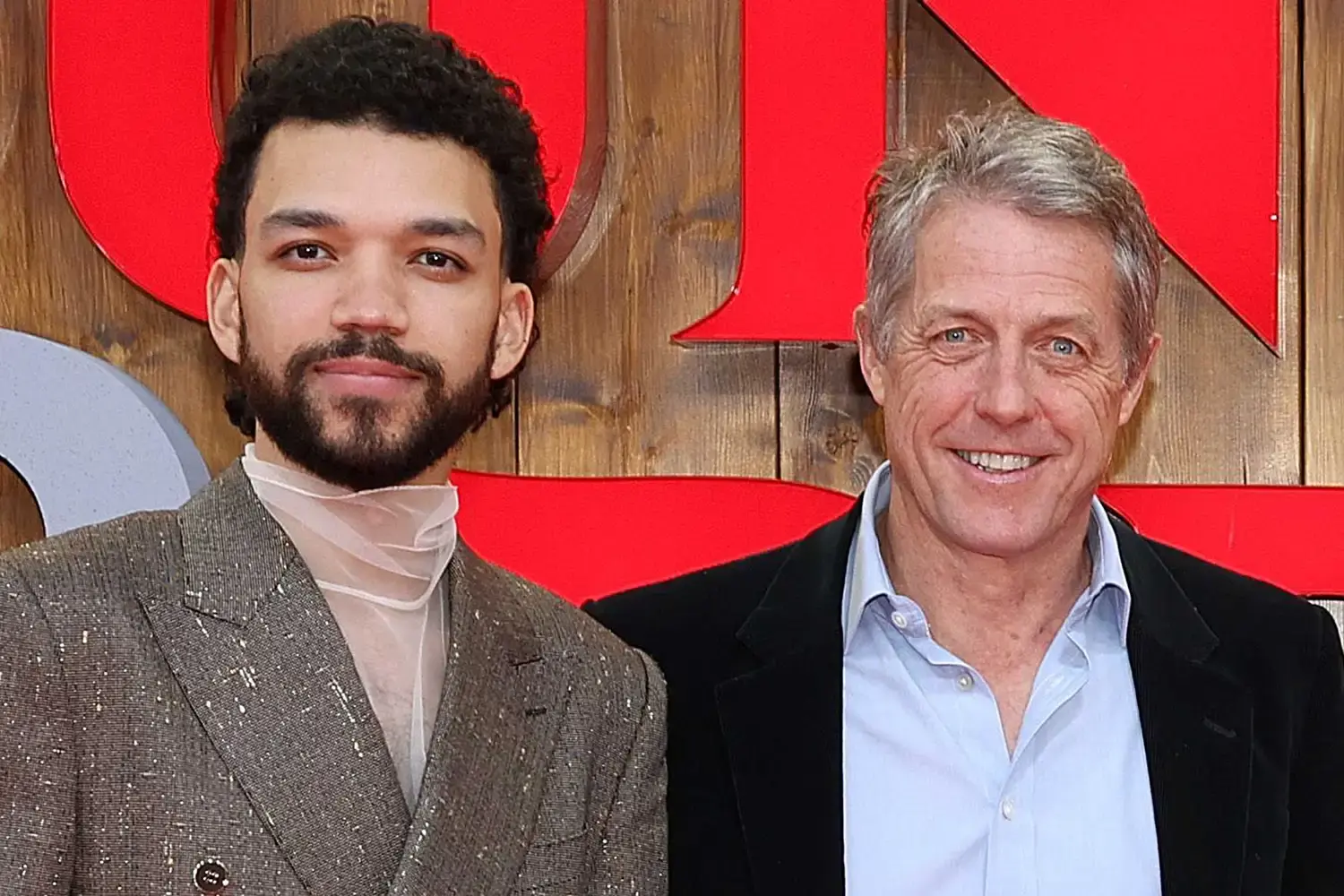
Reflecting on his work in I Saw the TV Glow (2024), a Jane Schoenbrun film that explores trans identity through the lens of suburban horror and fandom, Smith described the set as a “haven of LGBTQ+ creativity.” “Everything was gay,” he laughed on Gaydar, recounting how he and co-star Jack Haven would belt out Dear Evan Hansen tunes while romping through the woods.
The film’s release earlier this year cemented Smith’s status as a queer cinema darling, earning praise for its raw depiction of dysphoria and escapism.
In a Pride Source interview from May 2024, Smith shared how the script initially baffled him as a queer person: “I had no idea what it meant.” Yet, diving into the role taught him about finding refuge in fandom—a theme he revisited in his Gaydar appearance, ranking The Fairly OddParents characters by queerness and advising struggling queer youth to “let yourself cook.”
The ripple effects of Smith’s comments have been profound, igniting debates on platforms like Reddit and X (formerly Twitter). On r/Fauxmoi, users dissected the interview’s cultural barbs, with one thread titled “Justice Smith on Gaydar Show” amassing hundreds of upvotes for its take on naming queer Black couples.
X posts from outlets like Gay Times amplified clips, while fans praised his unapologetic vibe: “As the kids say: ‘let the man cook!’” from Them.us. Yet, not all reactions were celebratory. Some straight-identifying commentators bristled at the exclusivity of his statement, interpreting it as gatekeeping.
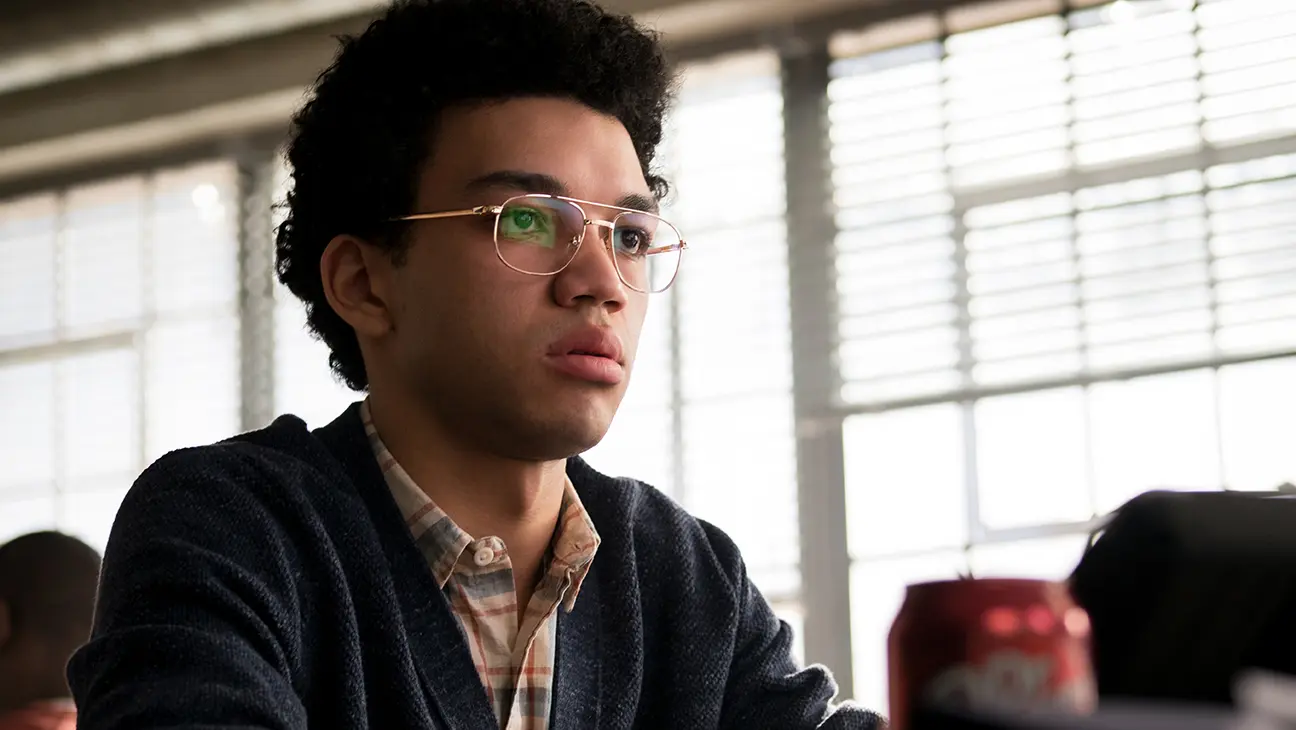
Smith, however, clarified in the episode that his boundary isn’t about exclusion but empowerment: Queer people, he argues, reclaim and redefine terms in ways that honor lived realities, something “basic” assumptions can’t touch.
This conversation feels especially urgent in 2025, a year marked by ongoing battles over queer visibility. From legislative attacks on trans youth to the mainstreaming of fluid identities in media, Smith’s voice cuts through the noise.
His frustration isn’t isolated; it mirrors the exhaustion felt by many navigating an industry that demands authenticity while punishing deviation. As he told Attitude magazine, straight people’s “limited definition” of gayness erases the spectrum, reducing multifaceted lives to soundbites.
By contrast, Smith’s embrace of “queer” invites a more inclusive dialogue—one where ex-girlfriends and current boyfriends coexist without contradiction.
Ultimately, Smith’s pushback is a call to action: Let queer folks name themselves. In an era of performative allyship, his words remind us that true solidarity starts with listening, not labeling.
As Hollywood hurtles toward more diverse storytelling—think Now You See Me’s ensemble magic or I Saw the TV Glow’s introspective glow—figures like Smith ensure that representation isn’t just visible but vital. Boring? Basic? Hardly. Justice Smith is serving complexity, one unfiltered truth at a time.