NXT When Rumors Go Viral: How Unverified Claims About Rep. Ilhan Omar Ignited an Online Firestorm

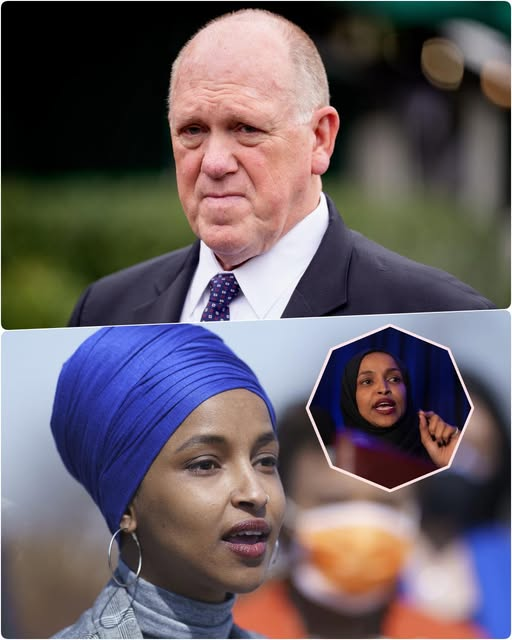
In the hyperconnected world of modern politics, it takes only a few posts to spark a national uproar. This week, Capitol Hill found itself buzzing not because of legislation or hearings, but because of a wave of unverified claims circulating online about Rep. Ilhan Omar—claims tied to long-debunked rumors about her immigration history and alleged federal scrutiny. Within hours, social media timelines were flooded with speculation, outrage, and counterclaims, illustrating once again how quickly narratives can harden before facts are established.
At the center of the storm were posts amplified by partisan commentators citing unnamed sources and hinting at a supposed federal review. Yet as the claims spread, a crucial detail remained unchanged: no federal agency confirmed them. No public records surfaced. No court filings appeared. No official statements corroborated the allegations. Still, the story took on a life of its own.
A Familiar Cycle of Allegation and Denial
For supporters of Rep. Omar, the episode felt like déjà vu. Similar rumors have circulated for years, each time gaining traction online before collapsing under scrutiny. Omar has repeatedly denied the allegations, describing them as xenophobic smears designed to inflame fear rather than establish truth. In response to the latest wave, her allies moved quickly to point out the absence of evidence, noting that despite years of speculation, there have been no charges, indictments, or official findings.
Legal experts echoed that caution. Allegations involving serious crimes, they warned, require a high evidentiary bar. Treating social-media claims as proof, especially when they rely on anonymous sources, risks confusing rumor with reality—and damaging real people in the process.
Yet in the current media environment, the lack of confirmation did little to slow the spread.
How Unverified Claims Catch Fire
The anatomy of a viral political rumor is by now familiar. A provocative assertion appears online, often framed as a “breaking” revelation. Influential accounts share it, sometimes adding rhetorical questions that imply wrongdoing without stating it outright. Algorithms reward engagement, pushing the content to wider audiences. By the time fact-checks or denials arrive, millions may have already seen—and believed—the original claim.
In this case, the allegations tapped into existing polarization around Omar, a high-profile lawmaker who has long been a lightning rod in national politics. For critics, the posts seemed to confirm suspicions. For supporters, they were proof of an ongoing campaign of misinformation. The result was a digital standoff, with each side sharing clips, screenshots, and commentary that reinforced preexisting views.
The Cost of Speed Over Substance
What often gets lost in these moments is the difference between investigation and allegation. A real federal review leaves paper trails: filings, statements, documented actions. Social media, by contrast, thrives on implication. Words like “sources say” and “reports suggest” create the illusion of credibility without the burden of proof.
The consequences are not abstract. Unverified claims can shape public perception, influence political discourse, and erode trust—both in institutions and in the information ecosystem itself. Even when allegations are later debunked, the initial impression can linger, a phenomenon researchers call the “continued influence effect.”
This is why legal scholars stress restraint. In democracies, accusations of serious wrongdoing are meant to be tested through transparent processes, not litigated in comment sections.
A Polarized Audience, Hardened Positions
As the story spread, reactions followed predictable lines. Critics of Omar framed the controversy as evidence that “where there’s smoke, there’s fire,” despite the lack of substantiation. Supporters countered that the persistence of the rumors, rather than their validity, revealed something else: how certain narratives endure because they serve political ends.
Cable news and online outlets dissected the episode, some focusing on the claims themselves, others on the dangers of misinformation. The meta-story—how unverified assertions gain traction—became almost as prominent as the allegations they examined.
In the process, nuance struggled to survive. Calls for patience and verification competed with the immediacy of outrage and the dopamine hit of sharing a “bombshell.”
The Role of Responsibility in the Information Age
The episode raises uncomfortable questions about responsibility—among influencers, media organizations, and everyday users. Sharing a claim does not make it true. Adding disclaimers after amplification does not erase the impact. And while skepticism toward power is healthy, skepticism toward information sources is equally essential.
For public figures, the stakes are even higher. False or unproven allegations can carry legal, reputational, and personal consequences. That is why journalistic standards exist: to separate what is known from what is alleged, and what is alleged from what is merely rumored.
What the Record Shows—And Doesn’t
As of now, the public record is clear in one respect: there is no substantiating evidence for the viral claims. No agency has confirmed an investigation. No documents have emerged to support the narrative. That does not preclude legitimate scrutiny of public officials—oversight is a cornerstone of democracy—but it does underscore the need to distinguish scrutiny from speculation.
Rep. Omar’s denials remain firm. Her supporters continue to argue that the recurring nature of the rumors reflects political animus rather than new information. Critics remain unconvinced. The impasse persists.
A Broader Lesson Beyond One Name
While this episode centers on a single lawmaker, its implications are broader. It illustrates how the internet often moves faster than the truth—and how that speed can warp discourse. In an environment where attention is currency, the incentive to verify can lose out to the incentive to be first.
For citizens, the challenge is not to retreat into cynicism, but to practice discernment: to ask what is known, who is saying it, and what evidence exists. For media, the challenge is to resist amplifying claims without verification, even when they promise clicks.
Waiting for Facts in a World That Won’t Slow Down
The online firestorm surrounding Rep. Ilhan Omar may fade as quickly as it erupted, replaced by the next viral controversy. But the dynamics that fueled it remain. Allegations will continue to spread. Denials will follow. And the gap between the two will test the public’s ability to wait for facts.
In the end, this episode serves as a reminder—not of guilt or innocence, but of process. In a healthy political system, truth is established through evidence and accountability, not virality. Until then, the buzz on Capitol Hill and beyond will continue to reflect a deeper tension of our time: the struggle to keep truth from being outrun by the internet.
