doem One Line, One Firestorm: How a Resurfaced Clip Became an Early Test for Mallory McMorrow

In modern American politics, controversies rarely arrive with warning. More often, they resurface—suddenly, algorithmically, and at the worst possible moment. For Michigan Democratic Senate candidate Mallory McMorrow, that moment came when an old video clip began circulating widely online, reigniting a debate over political rhetoric, intent, and the consequences of words spoken in a polarized era.
The clip, which spread rapidly across conservative media and social platforms, shows McMorrow appearing to suggest that beer would be thrown at Supreme Court Justices Amy Coney Barrett and Brett Kavanaugh. To critics, the remark landed with alarming force. In a climate already fraught with concerns about threats against members of the Court, conservative commentators argued that even rhetorical hostility toward sitting justices crosses a dangerous line.
Their criticism was swift and unforgiving. Some accused McMorrow of normalizing aggression toward the judiciary. Others framed the remark as emblematic of what they see as a broader erosion of respect for institutions. The underlying argument was not merely about the clip itself, but about precedent: if such language is brushed aside, what does that signal in a moment when political violence and intimidation are already front-of-mind?
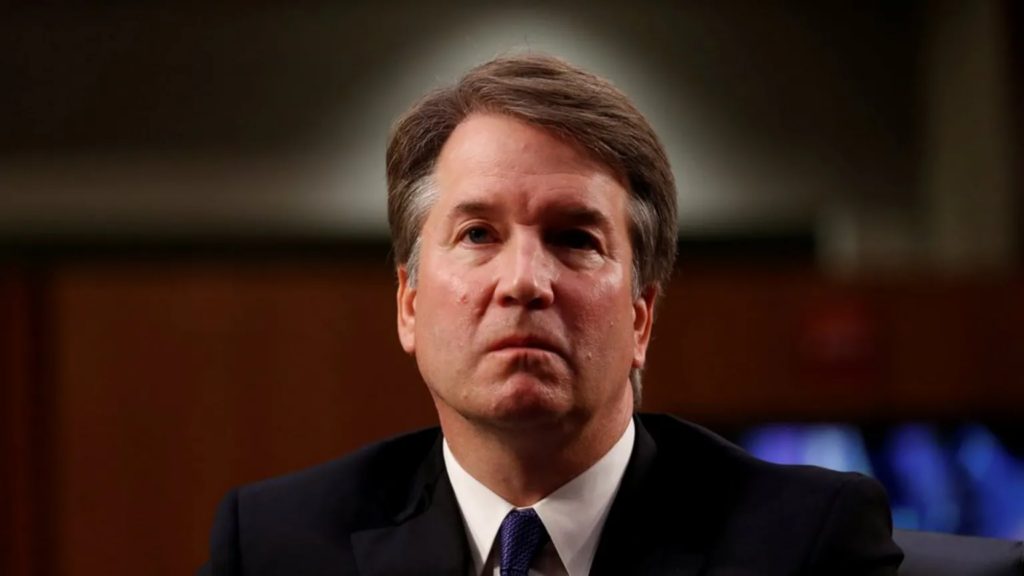
Supporters of McMorrow pushed back just as quickly. They argued the clip was stripped of context, emphasizing that the comment was sarcastic—not a literal call for action. According to defenders, the outrage was manufactured, fueled by selective editing and amplified by a media ecosystem that rewards indignation over nuance. To them, the controversy says less about McMorrow’s intentions and more about how easily digital fragments can be weaponized.
That tension—between intent and impact—sits at the center of the debate.
In isolation, a single line can sound far more provocative than it was meant to be. But politics is rarely generous to context, especially in the age of viral clips. Once detached from its original setting, a remark takes on a life of its own, shaped not by what the speaker meant, but by how audiences interpret it. In that sense, the McMorrow clip follows a familiar pattern: a resurfaced moment, reframed through partisan lenses, suddenly elevated into a defining controversy.
What makes this incident particularly significant is timing. As McMorrow positions herself as a Senate candidate, the episode is being treated as an early test of her campaign’s resilience—and her judgment. Opponents argue it raises questions about tone and responsibility, especially when discussing institutions like the Supreme Court. Allies counter that the scrutiny is disproportionate, pointing out that sarcasm and sharp rhetoric are hardly unique in American politics.
Still, the controversy highlights a reality candidates across the spectrum now face: nothing truly disappears. Statements made years earlier, in different contexts and climates, can reemerge when stakes are highest. And when they do, campaigns are forced to respond not only to what was said, but to how it is perceived today.
Beyond McMorrow herself, the episode feeds into a broader national conversation. How should political figures speak about institutions they oppose or criticize? Where is the line between rhetorical expression and irresponsible language? And who gets to decide when that line has been crossed?
The answers are far from settled. What is clear is that the debate is no longer confined to policy or ideology. It is increasingly about tone, symbolism, and the ripple effects of language in an environment primed for outrage. For some voters, the controversy reinforces concerns about escalating rhetoric. For others, it underscores fears that context no longer matters—that any phrase can be frozen, replayed, and repurposed to fit a narrative.
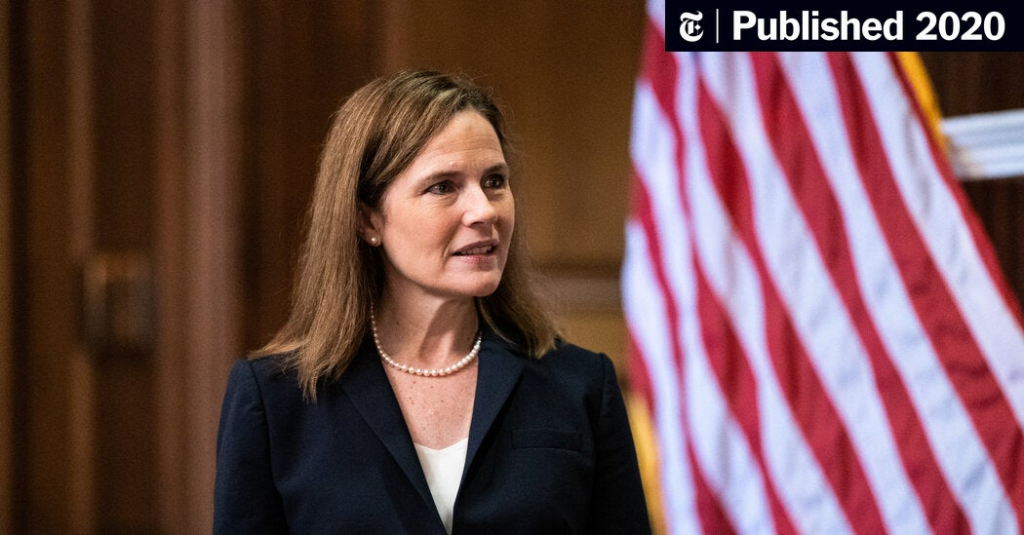
As the clip continues to circulate, its ultimate impact on McMorrow’s campaign remains uncertain. It may fade as quickly as it appeared, overtaken by the next viral moment. Or it may linger, shaping perceptions in subtle ways long after the headlines move on.
Either way, the episode serves as a reminder of how fragile political narratives have become. In today’s landscape, a single line—spoken casually, sarcastically, or offhandedly—can be transformed overnight into a defining moment. And once that transformation occurs, the debate is no longer just about what was said, but about what it represents in a country struggling to navigate the boundaries of speech, accountability, and trust.
Whether the controversy ultimately harms or galvanizes McMorrow’s candidacy, it has already accomplished one thing: it has exposed, once again, how quickly tone can become the story—and how unforgiving the spotlight can be when it returns.