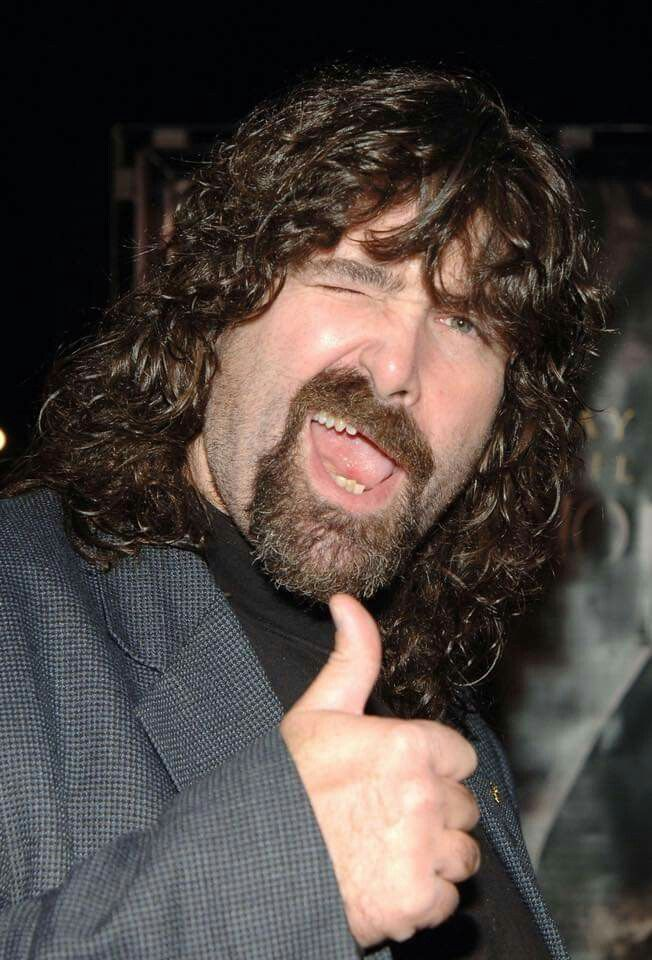
For decades, Mick Foley has been synonymous with sacrifice. Inside the ring, he absorbed punishment that redefined professional wrestling’s limits. Outside it, he cultivated a reputation just as distinct—thoughtful, empathetic, and unafraid to speak from the heart. That is why reports that Foley has chosen to sever ties with WWE have landed with unusual force. According to accounts circulating online, the breaking point was not a contract dispute or creative frustration, but a matter of conscience: a social media post by President Donald Trump related to what has been described as the Rob Reiner tragedy—comments Foley allegedly found “incredibly cruel” and incompatible with his values.
If true, the decision marks one of the rare moments in modern wrestling where a legend steps away not for money, health, or legacy management, but on principle.
The Moment That Changed Everything
In the statement attributed to Foley, the language is strikingly personal. Rather than framing his choice in political terms, he is said to have framed it as moral. The comments in question, he reportedly explained, crossed a line—not because they were controversial, but because they lacked empathy. For someone who has spent years advocating for compassion, mental health awareness, and basic human dignity, the post became a moment of reckoning.
According to the narrative, Foley did not call for boycotts or public outrage. Instead, he made a quieter but more consequential decision: he would not renew his WWE contract when it expires in June, and he would decline future appearances while the current administration maintains close ties to the company.
In wrestling terms, that is not a protest—it is an exit.
Why This Is So Unusual in Wrestling
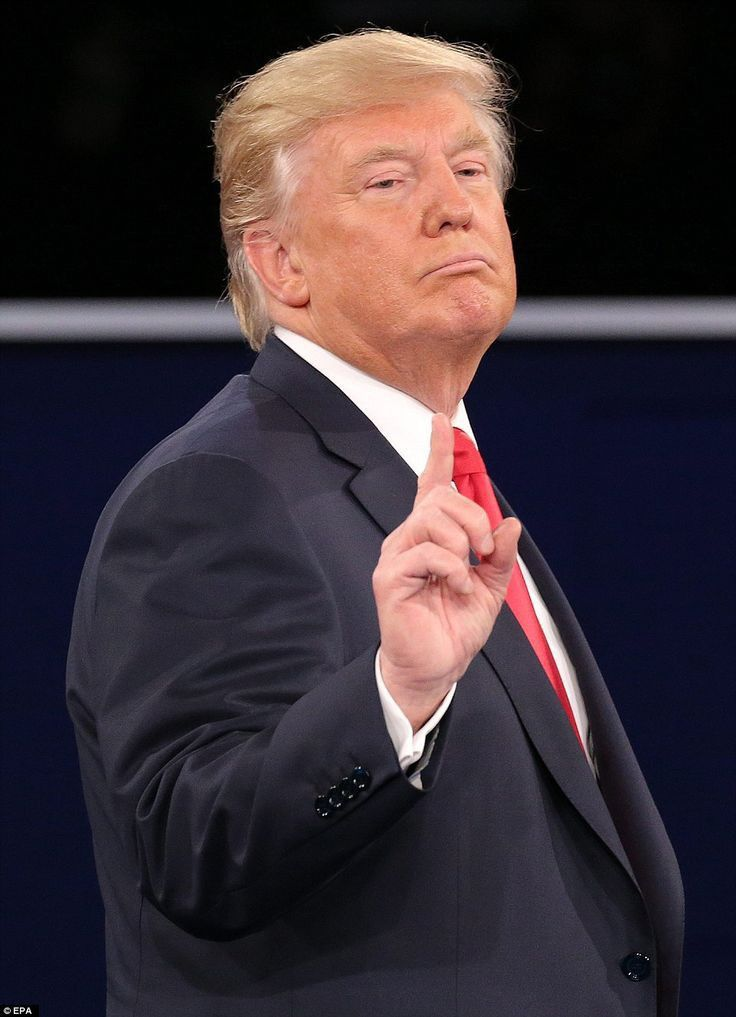
Professional wrestling is not known for political defections. WWE, as the industry’s dominant force, has long-standing relationships with its performers that often transcend ideological differences. Legends return for nostalgia runs, ceremonial appearances, and brand partnerships regardless of who occupies the White House.
That context makes Foley’s reported move so striking. Wrestling history is filled with grudges settled, alliances broken, and careers resurrected—but rarely over ethical objections to politics or corporate proximity to power. The unspoken rule has often been simple: entertainment stays separate.
Foley’s decision, as portrayed, challenges that rule outright.
Mick Foley Beyond the Ring
To understand why this moment resonates, it helps to understand Foley’s public identity beyond his wrestling persona. Though celebrated as the “Hardcore Legend,” his post-wrestling career has been defined by sensitivity rather than shock value. He has spoken openly about depression, trauma, and the emotional toll of performance. He has written books emphasizing kindness, vulnerability, and responsibility.
This duality—extreme violence in the ring paired with profound gentleness outside it—has always been Foley’s paradox. Supporters argue that walking away from WWE on moral grounds is not a departure from who he is, but a continuation of it.
In that light, the decision appears less dramatic and more inevitable.
Principle Over Profit
What amplifies the impact of Foley’s reported stance is what he is giving up. WWE legends do not merely trade in appearances; they trade in legacy, exposure, and long-term financial security. Walking away means declining easy opportunities and severing a relationship that spans decades.
Supporters see this as the heart of the story. Foley did not need to leave. He chose to. In an entertainment landscape where controversy is often avoided to protect brand value, that choice reads as rare—and costly.
To many fans, that cost is precisely what gives the gesture weight.
Critics Push Back: Politics vs. Business
Not everyone views the decision favorably. Critics argue that entertainment and politics should remain separate, especially in an industry built on escapism. They contend that personal disagreements with political figures should not dictate professional relationships, particularly when large corporations encompass diverse viewpoints.
From this perspective, Foley’s exit risks turning wrestling into another cultural battlefield—one where fans are forced to interpret moral statements rather than enjoy performance.
Supporters counter that neutrality itself is a choice, and that remaining silent can be a form of endorsement. Foley, they argue, simply refused that silence.
A Reflection of a Broader Cultural Shift
Whether one agrees with the decision or not, its symbolism extends beyond wrestling. Across industries, public figures are increasingly forced to reconcile personal ethics with corporate alliances. Musicians, actors, athletes, and creators are drawing lines that once felt unthinkable.
Foley’s reported departure fits squarely into that trend. It suggests a growing unwillingness to compartmentalize—to say, “this is just business,” when business intersects with values that feel non-negotiable.
In that sense, the wrestling ring becomes a mirror of the larger culture.
What This Means for WWE—and for Fans
For WWE, the impact may be subtle but meaningful. Foley is not just another former performer; he is a symbol of authenticity and emotional connection. Losing that association, even quietly, signals that the company’s relationships are not immune to ethical scrutiny.
For fans, the reaction is deeply divided. Some applaud the stand. Others feel disappointed, even betrayed, by the blending of politics into wrestling. But nearly all acknowledge the sincerity of the move as it has been portrayed.
And sincerity, in a world saturated with performative outrage, is hard to dismiss.
A Legacy Defined by Choice
Mick Foley’s career has always been about choice—choosing to endure pain for storytelling, choosing to reveal vulnerability in a culture that rewards toughness, choosing empathy in an industry built on spectacle. If the reports are accurate, this latest decision follows the same pattern.
He did not leave quietly because he was pushed out. He stepped away because staying felt wrong.
In the end, that may become the defining note of this chapter: not controversy, not politics, but conviction. In a business where lines are often blurred, Foley appears to have drawn one clearly—and accepted the consequences.
For the Hardcore Legend, the most punishing move may not have been taken in the ring, but outside it.