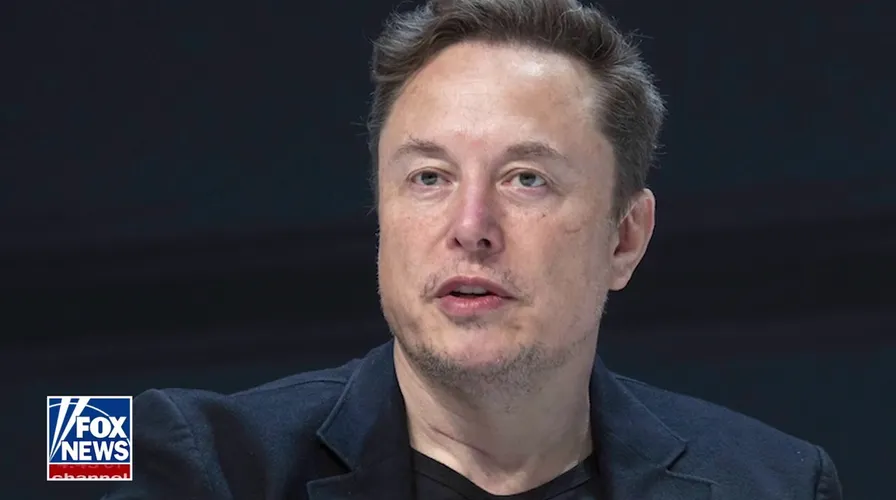
The post hit X like a lightning strike — raw, personal, and impossible to ignore. What began as a sharp jab from California Gov. Gavin Newsom’s press office, suggesting that Elon Musk’s child who identifies as a transgender woman “hates him,” detonated into something far bigger within hours. Musk didn’t deflect. He didn’t soften. He responded with a post that stunned even longtime followers — naming his child, rejecting her gender identity, and accusing progressive ideology of causing what he called a “tragic mental illness” driven by an “evil woke mind virus.”
In the same breath, Musk insisted he loves his child deeply and hopes for recovery.
The contradiction — love intertwined with rejection — is what set the internet ablaze.
Within minutes, the exchange had escaped the boundaries of partisan politics and plunged headlong into the most emotionally charged terrain imaginable: family, identity, parental authority, and the culture war over gender itself.
And once again, the question many Americans dread — but can’t escape — was thrust into the open: Should anything this personal ever become political at all?
How a Political Jab Turned Into a Personal Explosion
The spark came from an official political account. Newsom’s press office, responding to Musk’s ongoing criticism of California and progressive policies, invoked Musk’s estranged relationship with his transgender child — a move critics immediately labeled a low blow.
For Musk, it crossed a line.
What followed was not a carefully worded statement or a corporate-style rebuttal. It was emotional, direct, and deeply personal. Musk accused progressive activists, doctors, and institutions of pushing vulnerable children toward irreversible decisions, framing the issue not as identity but as ideology — one he says destroyed his relationship with his child.
Supporters praised the response as raw honesty. Detractors saw it as a powerful man publicly invalidating his own child’s existence.
Both sides agreed on one thing: the post was nuclear.
Love, Rejection, and the Internet’s Harsh Spotlight
What made Musk’s words especially jarring was the duality. He rejected his child’s gender identity outright — language LGBTQ+ advocates say is deeply harmful — while simultaneously declaring unconditional love.
To critics, the contradiction was cruel.
To supporters, it was heartbreaking.
Mental health professionals warn that public disputes of this nature are uniquely damaging, particularly when they involve a parent with a global platform and a child who did not choose the spotlight.
“Family conflict becomes spectacle,” one psychologist noted. “And spectacle invites judgment, not healing.”
Yet healing was never going to trend.
Screenshots spread faster than context. Influencers rushed to take sides. Old interviews, past tweets, and family history were resurrected and reinterpreted through ideological lenses.
A private family rift had become public property.
The Culture War Tightens Its Grip
Almost instantly, the debate hardened into familiar camps.
Musk’s supporters framed him as a father finally speaking truth against what they view as an aggressive ideology targeting children. They applauded his willingness to endure backlash rather than stay silent, calling his comments “brave” and “necessary.”
Opponents accused him of spreading misinformation, stigmatizing transgender people, and weaponizing his platform in a way that could cause real harm — not just to his own child, but to vulnerable youth watching from the sidelines.
The nuance — parental grief, fear, confusion — was largely lost.
Instead, the issue became symbolic:
If Musk is right, progressive institutions have gone too far.
If Musk is wrong, his words exemplify the danger of unchecked influence.
There was no middle ground.
When Politicians Invoke Family
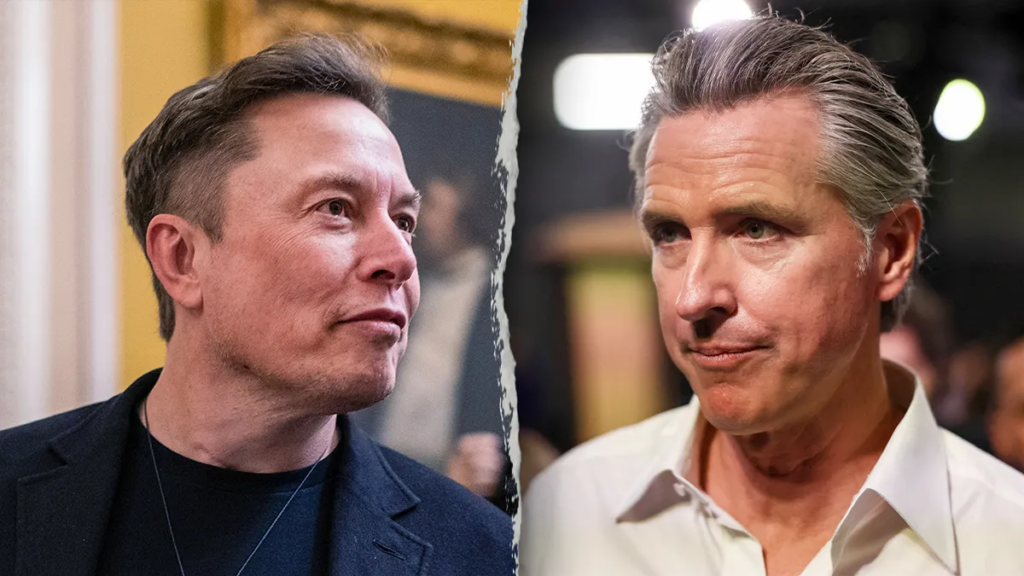
One detail troubled even some of Musk’s critics: that a government press office initiated the personal turn.
By referencing Musk’s child, Newsom’s team blurred a line many believe should remain firm — that family members, especially children, are off-limits in political combat.
Civil discourse advocates warned that once family becomes ammunition, no boundary remains intact.
“If personal pain is fair game,” one commentator wrote, “then politics becomes total war.”
That concern resonated beyond party lines.
The Child at the Center — and the Silence Around Her
Lost amid the outrage is the person at the center of it all — Musk’s child, whose voice has largely been absent from this particular exchange.
Advocates stress that transgender individuals already face disproportionate scrutiny, harassment, and mental health challenges. Being publicly discussed — and disputed — by one of the world’s most powerful figures magnifies that pressure exponentially.
At the same time, some parents watching the controversy quietly admit they recognize Musk’s anguish — the feeling of losing a child not to distance, but to a reality they don’t understand or accept.
Both truths can exist.
Online, only one is allowed at a time.
The Cost of Making the Personal Political
This episode has become a case study in how modern politics devours intimacy.
Platforms reward outrage. Algorithms amplify conflict. And once something goes viral, it stops belonging to the people living it.
Musk’s post didn’t just express pain — it froze that pain in a permanent digital record, endlessly replayed, reframed, and judged by strangers.
Experts say that’s the hidden cost of public platforms: they turn unresolved family trauma into ideological fuel.
A Question With No Clean Answer
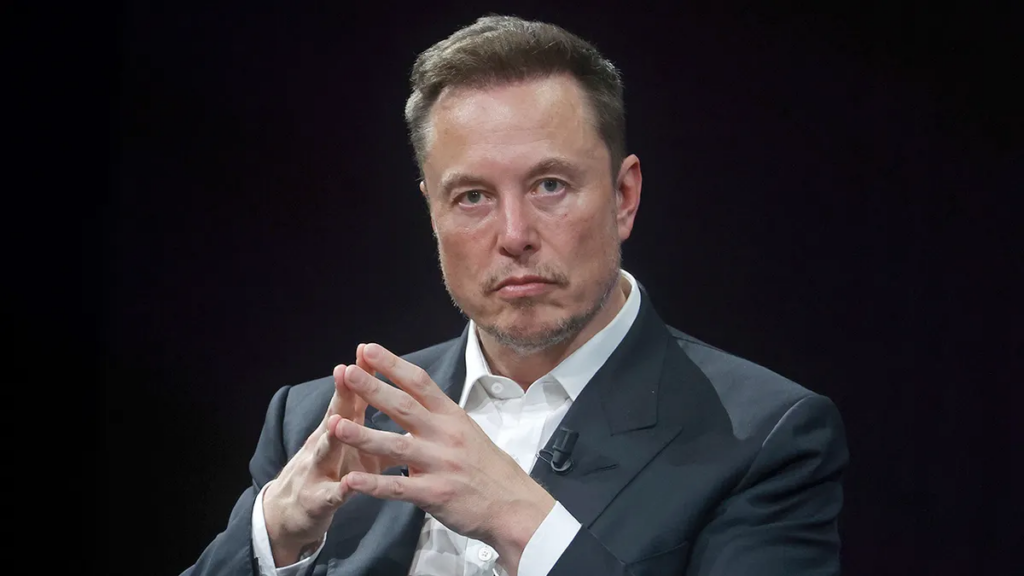
As the backlash continues, Musk has not walked back his words. Newsom’s office has not apologized. And the internet has not slowed down.
What remains is a deeply uncomfortable reckoning.
Should politicians ever invoke someone’s child to score points?
Should parents with massive platforms publicly discuss such intimate conflicts?
And at what point does “speaking out” become something else entirely?
There are no easy answers — only consequences.
What is clear is that this moment struck a nerve because it exposed something raw beneath the slogans: fear, grief, love, and loss — colliding in public view.
And long after the hashtags fade, that collision will linger.
Because when family becomes political theater, everyone loses something — even when they think they’re winning.