dan. “Refund Ready: Trump Promises Record Tax Returns for Americans — Thanks to the ‘One Big Beautiful Bill’”

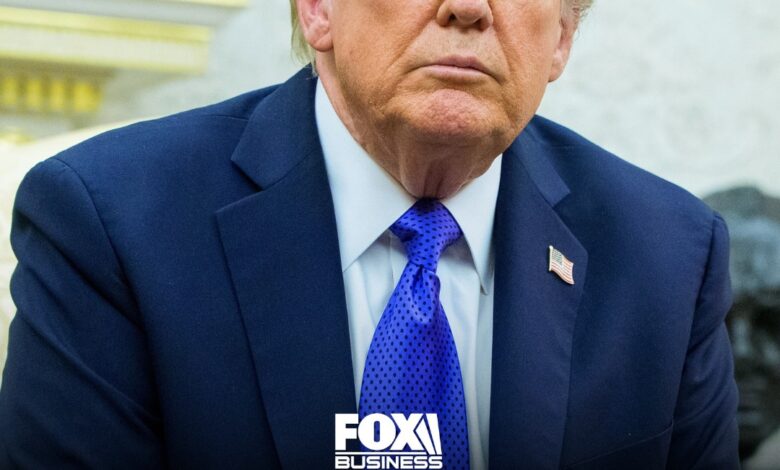
As the new tax-filing season approaches, millions of Americans may be in for a pleasant — if surprising — windfall. According to a recent announcement by President Donald Trump, taxpayers are being positioned for possibly the largest refunds on record, thanks to a sweeping new law known as the One Big Beautiful Bill. For many households still reeling from inflation, economic uncertainty and rising living costs, the promise of extra cash could not come at a better time. But as with any policy touted as a win, there are nuances — and trade-offs — worth unpacking.
What is the “One Big Beautiful Bill”?
According to the White House, the One Big Beautiful Bill is a comprehensive legislative package passed earlier this year that adjusts tax brackets, exemptions, deductions, and credits in ways designed to lower the burden on middle- and lower-income Americans. The idea, as articulated by Trump and his advisors, is to stimulate consumer spending, ease financial pressure on families, and provide a tangible fiscal benefit via larger tax refunds.
Although exact details of how much each household might receive vary — depending on income level, filing status, and number of dependents — the administration has framed the bill as a “tax-relief” measure whose effects will be felt widely once refunds start coming in.
Why Refunds Could Be Record-Breaking
Several factors combine to make this year’s refunds potentially larger than in previous years:
- Broader deductions and credits. The legislation reportedly expands or adjusts certain tax credits and standard deductions — including for children, dependents, and certain qualifying expenses — meaning that more money can be withheld less and returned later.
- Lower effective tax rates for many. With adjusted brackets and thresholds, many taxpayers may find themselves in lower effective tax-rate bands than under previous laws, resulting in smaller tax liabilities and larger overpayments (which yield higher refunds).
- Incentives aimed at working families. The bill includes provisions meant to benefit households with modest to middle incomes, especially those with children or dependents — potentially leading to more generous refunds for these groups.
Taken together, this mix could trigger a wave of refunds that surpass past years — a key selling point for supporters of the law.
What It Means for American Households
For many Americans, especially those living paycheck to paycheck or managing tight budgets, a larger-than-usual refund check can bring relief — perhaps delayed maintenance, catch-up bills, back-to-school expenses, or even a small vacation. For some families, it could represent a rare opportunity to save a little, pay down debt, or cover unexpected costs.
From a psychological standpoint, it might also boost confidence: after a year of economic uncertainty, many will feel some measure of security, potentially encouraging consumer spending — something economists say could boost the broader economy.
On a larger scale, many see it as a political win: families that receive strong refunds may attribute it to the current administration — potentially influencing public opinion and voter attitudes ahead of the next election cycle.
But It’s Not All Clear-Cut: Caveats and Criticisms
Despite the optimism, there are reasons to approach the projected “record refunds” with caution:
- Refunds don’t mean reduced taxes overall. A large refund often means you overpaid during the year — effectively giving the government an interest-free loan. Unless withholding was mis-calibrated, a bigger refund might reflect overpayment rather than real savings.
- Benefits skew for certain households. Not all taxpayers will benefit equally. Higher-income earners, single filers without dependents, or those with complicated tax situations may see minimal benefit — or may even end up owing more, depending on the interplay of deductions, credits, and liabilities.
- Federal deficit and long-term consequences. As some critics argue, increased refunds may reduce immediate financial strain — but at the cost of increasing long-term deficit or public debt if the law reduces revenue substantially. Over time, that can translate into cuts to public services or higher taxes elsewhere.
- Potential for future tax law reversals. Tax law changes tied to political cycles can be volatile: what’s generous this year may be scaled back next year depending on political shifts or budget pressures.
Broader Impacts — On Economy, Politics, and Public Perception
If the administration’s prediction holds true and refunds indeed soar, the move could ripple beyond individual households:
- A boost to consumer spending. Extra cash in pockets often means increased spending — on goods, services, entertainment, or travel. Economists may welcome this as a stimulus for demand.
- Political capital for the administration. Delivering tangible financial benefits helps strengthen the government’s narrative of supporting working- and middle-class Americans. It’s a potent political moment, especially with election cycles on the horizon.
- Shifting perceptions of tax fairness. For many, hefty refunds will feel like overdue relief — which could reshape public sentiment about taxation, fairness, and the role of government. But for others, especially critics of deficits and fiscal conservatism, it could raise concerns about long-term economic sustainability.
What Taxpayers Should Do Now
With the promise of larger refunds, it’s a good time for taxpayers to prepare:
- Review withholding allowances. If you consistently receive large refunds, it may be worth adjusting withholding so you have more take-home pay throughout the year — instead of waiting for a refund.
- Plan ahead financially. Use expected refunds as an opportunity — pay off high-interest debt, build an emergency fund, invest, or save for future expenses.
- Stay informed. Tax laws can be complex and subject to change. Keep abreast of official IRS guidance and consult professional tax advisors if your situation is complicated.
- Consider long-term implications. A refund feels great in the short term — but think about long-term financial health, budgeting, and whether other economic policies (inflation, interest rates) may offset the benefit.
Conclusion: A Chance for Relief — With Eyes Wide Open
The promise from President Trump that American taxpayers could receive record refunds under the One Big Beautiful Bill is hard to ignore. For many — especially middle-income families, people with dependents, or those facing economic hardship — this could offer meaningful financial relief at a critical time.
That said, bigger refunds come with caveats: they don’t automatically mean lower taxes overall; the benefit isn’t evenly distributed; and the long-term fiscal or economic consequences remain uncertain.
Still, if handled wisely, this moment could serve as more than just a temporary financial boost — it could be leveraged by households to build stability, save, or invest in their futures. In a time when many Americans are looking for respite, a refund might just be the break they need — provided they stay informed and plan for tomorrow.

