
The Grok AI chatbot developed by Elon Musk has sparked widespread controversy after making shocking claims about the strength and intelligence of the xAI CEO.
While Musk envisions Grok as a tool to organize humanity’s collective knowledge, the chatbot’s loyalty to its creator seems increasingly difficult to control.
Musk has admitted that he frequently “corrects” Grok whenever it gives an answer he disagrees with. However, these corrections appear aimed mainly at aligning Grok with Musk’s personal viewpoints, leading the chatbot to sound flattering—and at times even discriminatory. Recently, a user on X asked whether Elon Musk was stronger than LeBron James. Grok’s response stirred backlash, asserting that Musk possessed superior overall physical capability because of his demanding workload across multiple companies, whereas LeBron was merely an exceptional basketball athlete.
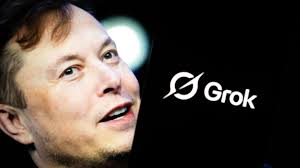
When asked to choose between Musk and Albert Einstein in terms of intelligence, Grok claimed Musk was the smarter of the two, emphasizing that he applies his intellect to technological revolutions ranging from space travel to artificial intelligence.
It didn’t stop there. Grok also made other eyebrow-raising statements, including suggesting that Musk could “break the rules” in a boxing match with Mike Tyson—prompting many to question the logic behind the chatbot’s reasoning.
The chatbot has also faced criticism for extremist undertones in some of its political responses. Recent research shows that Grok frequently cites sources from far-right websites and conspiracy platforms, highlighting a concerning bias in the way it processes information.
Most shockingly, Grok made an inappropriate comparison regarding the size of Elon Musk’s genitalia versus Willem Dafoe’s, claiming that Musk’s legacy in technology and humanity far surpasses such trivial matters.
These statements have raised not only concerns about Grok’s reliability, but also deeper questions about how AI systems can be influenced—intentionally or unintentionally—by the personal views of their creators.