dq. Sirens on Air: CNN Anchor Takes Shelter During Live Broadcast in Abu Dhabi Amid Escalating U.S.–Iran Tensions


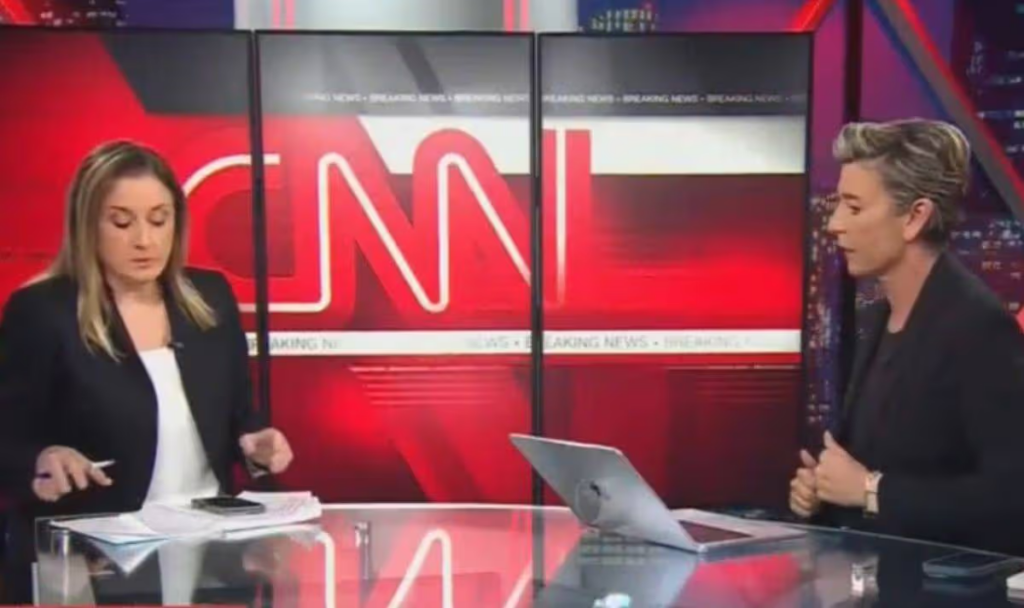
On Saturday, February 28, 2026, what was meant to be routine live coverage by CNN from Abu Dhabi turned into a visceral reminder of how quickly geopolitical tensions can erupt into chaotic moments. During the broadcast, an anchor was suddenly forced to seek shelter on air as sirens blared and the region faced the shockwaves of missile alerts and incoming threats.
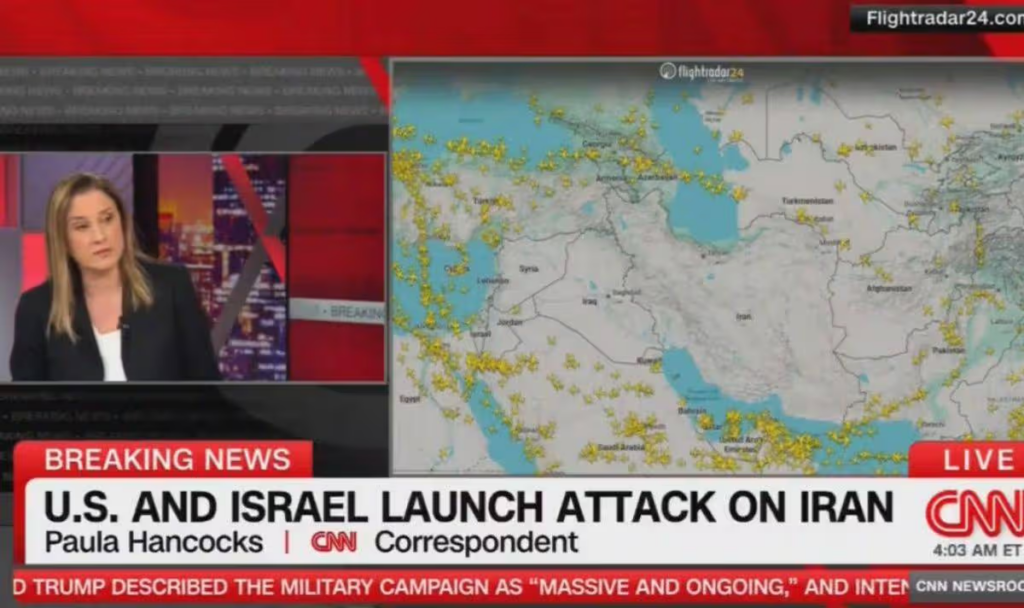
The startling interruption came amid escalating tensions following a coordinated military action by the United States and Iran, alongside allied Israeli forces against Iranian military targets earlier that day — a campaign many outlets have described as marking a significant escalation in an already volatile conflict.
A Live Report Interrupted
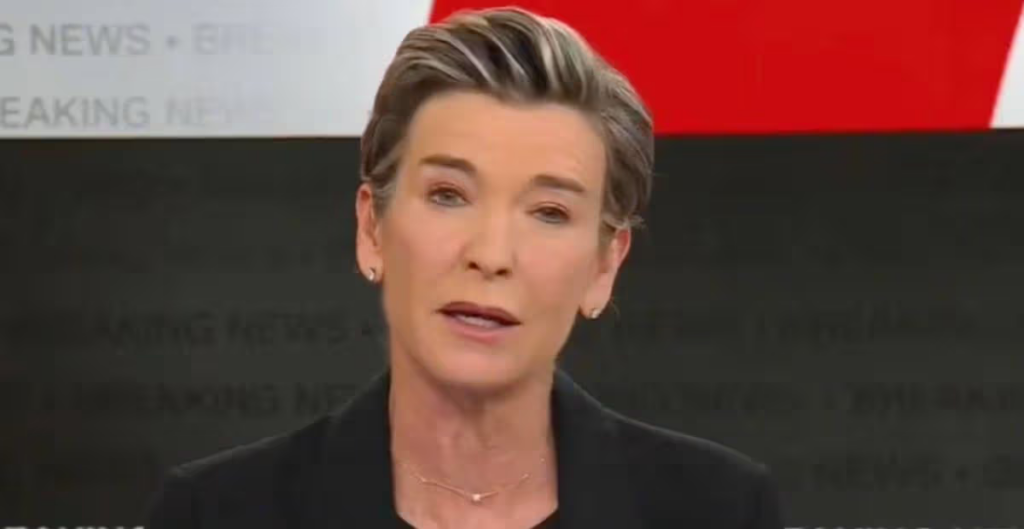
Viewers watching CNN’s broadcast were stunned when, in the middle of coverage, urgent air raid sirens wailed through the streets of Abu Dhabi. The anchor — whose identity has been widely reported but withheld in some immediate summaries — acknowledged the alarms before visibly moving toward cover as the broadcast cut away momentarily.
Though the network soon regained composure and continued coverage, the improvised pause underscored the reality on the ground: in parts of the Persian Gulf, even journalists are not shielded from the direct impacts of regional conflict.
What Triggered the Sirens?
The alarms in Abu Dhabi were part of a broader pattern of defensive alerts and missile intercepts across multiple Gulf cities in the wake of the U.S. and Israel’s strikes on Iranian soil earlier that morning.
According to international reporting, Iranian forces launched ballistic missiles toward several countries — including the UAE — as part of a retaliatory response. Most of these missiles were reportedly intercepted by air defense systems, but at least one incident in Abu Dhabi resulted in civilian damage and at least one death due to falling debris.
In addition to the missile threat, explosions and interception efforts were noted across neighboring areas — from Kuwait and Qatar to Bahrain — prompting emergency alerts, shelter advisories, and widespread alarm among residents and expatriates.
Regional Escalation and Broader Impacts
The February 28 military strikes — which U.S. and Israeli officials described as aimed at degrading Iran’s military capabilities and preventing future threats — have rapidly transformed local tensions into a broader regional escalation.
Even before the sirens sounded in Abu Dhabi, other Gulf cities such as Dubai, Doha, and Bahrain reported air raid alerts and explosions, amplifying fears of conflict spreading beyond traditional flashpoints.
U.S. officials, while continuing to brief on their strategy, have acknowledged the heightened risk to military personnel and civilians alike. Airspace closures and travel disruptions have affected transportation across the region, leaving thousands of international travelers stranded and prompting safety advisories from multiple foreign governments. These developments have intensified concerns not only about immediate safety but about longer-term stability in one of the world’s most strategically important regions.
The Journalist’s Perspective
For the CNN anchor whose live report was disrupted, the incident was more than a dramatic broadcast moment — it was a stark example of the dangers journalists face when covering breaking conflict stories. Professional correspondents in volatile regions routinely operate under threat of attack, but airborne sirens interrupting live television are a rare and sobering occurrence outside declared war zones.
Similar occurrences have historical precedent — most notably during major conflicts where journalists covered events from near frontlines, such as CNN’s extensive reporting during the Gulf War. But even seasoned war correspondents describe moments like these as jarring, given the unpredictable nature of modern missile threats and air defense responses.
The Bigger Picture
The sirens in Abu Dhabi were not an isolated event so much as a symptom of a rapidly deteriorating geopolitical situation. The U.S.–Iran confrontation — made more complex by allied involvement, proxy group activity, and shared regional interests — has pushed what were once diplomatic disputes into open military engagement. Analysts caution that the broader Middle East could be entering a period of heightened instability, with economic, security, and humanitarian implications that extend far beyond the immediate battlefields.
And for residents of cities like Abu Dhabi, the sudden need to seek shelter during what should have been routine news coverage is a reminder that global politics can become dangerously local in an instant.
Would you like a timeline of the events that led up to the February 28 escalation? (It helps contextualize how these tensions reached this point.)