
When it comes to severe electrical injuries, progress does not always look dramatic. There are no overnight transformations, no sudden leaps from crisis to recovery. Instead, doctors and families learn to measure success in smaller, quieter ways. In the world of high-voltage trauma, sometimes the greatest victory is simple stability.

Electrical injuries are among the most complex forms of trauma the human body can endure. Unlike surface burns caused by flame or heat, electricity travels through the body, potentially damaging tissue, nerves, muscles, and even internal organs along its path. The visible wound may tell only part of the story. Beneath the skin, damage can continue to evolve for days.
That’s why physicians often use cautious language when discussing prognosis. In the early stages, the focus is not on rehabilitation or long-term mobility. It is on containment: preventing infection, preserving circulation, protecting organs, and monitoring for complications that can emerge without warning.
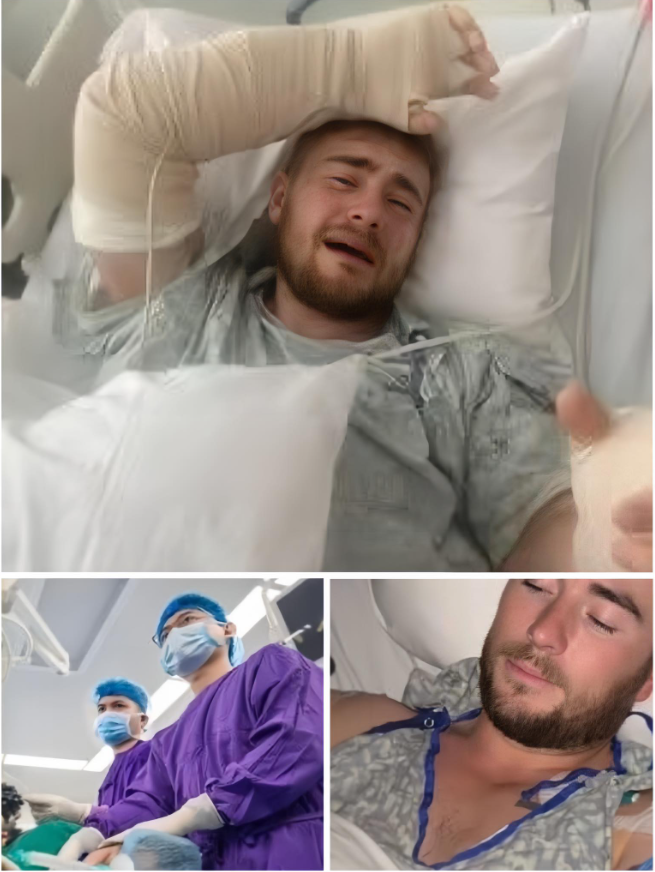
In severe cases, patients are admitted to intensive care units where round-the-clock monitoring becomes the norm. Heart rhythms are tracked closely because electrical currents can disrupt cardiac function. Kidney performance is watched carefully, since muscle breakdown from deep tissue damage can strain filtration systems. Swelling is managed aggressively to prevent compartment syndrome, a dangerous buildup of pressure that can threaten limbs.

In that environment, the phrase “not getting worse” carries enormous weight.
When swelling stabilizes instead of spreading, it’s a win. When lab values hold steady rather than deteriorate, it’s progress. When surgical sites remain clean and free of infection, it’s a milestone. These are the quiet indicators that the body is holding its ground.

Burn specialists explain that electrical injuries can be deceptive. Tissue that appears viable on the first day may later reveal deeper necrosis. That uncertainty forces medical teams to take a vigilant, measured approach. Repeated assessments, imaging, and sometimes staged surgeries are required to remove damaged tissue while preserving as much function as possible.
For families waiting outside ICU doors, the emotional toll is immense. Unlike more visible injuries, the trajectory is rarely linear. There can be improvements followed by setbacks, encouraging mornings followed by difficult nights. Learning to celebrate stability becomes part of the coping process.
Psychologically, this reframing is powerful. In everyday life, progress is associated with forward motion — promotions, milestones, visible gains. In trauma medicine, stability itself becomes the goal. It means the body is not spiraling into additional crises. It means the immediate danger may be contained.
Medical professionals often describe severe electrical trauma as a marathon rather than a sprint. Early intervention focuses on survival and stabilization. Only later does the conversation shift toward reconstruction, physical therapy, and long-term rehabilitation. The first phase is about preserving options for the future.
In recent updates from cases involving significant electrical injury, doctors have emphasized precisely this point: the absence of deterioration is meaningful. No new tissue loss. No new systemic complications. No escalation in organ distress. These are victories earned through meticulous care and the body’s resilience.
Advances in burn treatment over the past several decades have significantly improved outcomes. Modern wound management systems, improved fluid resuscitation protocols, and better infection control have increased survival rates. Still, recovery remains arduous. Skin grafts, reconstructive procedures, and months — sometimes years — of therapy can follow the initial trauma.
Nerve damage presents another layer of complexity. Electrical currents can disrupt communication pathways between brain and limb, affecting sensation and movement. Some nerve injuries recover gradually; others may require surgical intervention or adaptive therapy. Monitoring neurological stability becomes part of the daily evaluation.
The emotional component cannot be overlooked. Survivors of electrical trauma often face anxiety, post-traumatic stress, and the psychological weight of sudden life changes. Counseling and mental health support play critical roles in long-term recovery. Stability, therefore, is not only physical but also emotional.
Doctors sometimes use a phrase that resonates deeply with families: “We’re cautiously optimistic.” It acknowledges the seriousness of the injury while recognizing incremental gains. It reflects a balance between hope and realism.
In severe electrical injuries, the timeline is unpredictable. What remains consistent is the principle that preventing decline is foundational. Before strength returns, before mobility improves, before scars begin to fade, the body must first stop losing ground.
So when a medical team reports that a patient is stable, that there are no new complications, and that vital signs remain consistent, it is not routine. It is a marker of resilience. It is evidence that the initial storm may be passing, even if the sky is not yet clear.
In trauma care, victories are sometimes measured not by dramatic breakthroughs, but by quiet endurance. And in the delicate balance of severe electrical injury recovery, not getting worse can be the first and most important triumph of all.