dq. Kansas City Unveils $3.6 Billion Chiefs Stadium Overhaul: A Game-Changing Investment in Football’s Future


In a decision that signals a new era for both franchise and region, the Kansas City Chiefs and state leaders have set in motion plans for a massive stadium transformation and mixed-use development project valued at billions of dollars, redefining not just where the team will play but how the future of football entertainment will unfold in the heart of the Midwest.
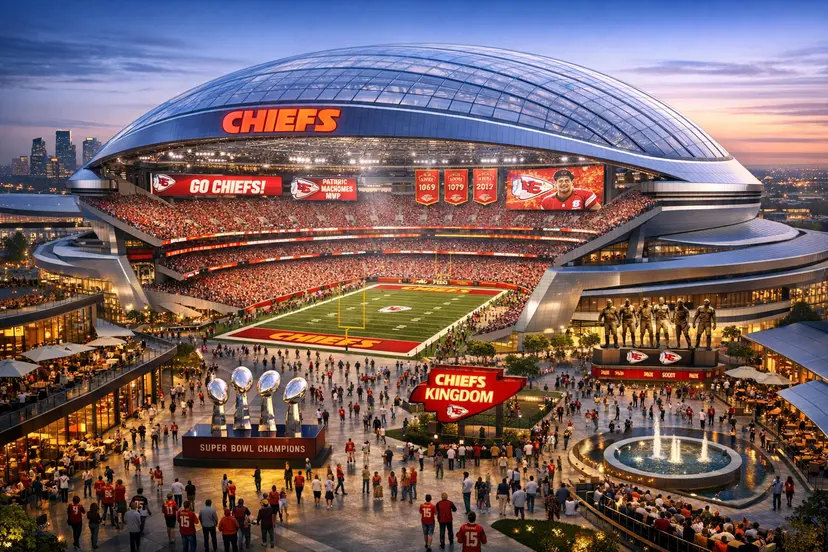
The centerpiece of this plan is a state-of-the-art domed stadium slated to open for the 2031 NFL season in Wyandotte County, Kansas—a bold shift from the iconic outdoor environment of Arrowhead Stadium. But what makes this project truly monumental isn’t just the structure itself; it’s the economic ecosystem it promises to build around it, potentially worth well over $3.6 billion when including training facilities, team headquarters and surrounding commercial development.
A Vision Beyond Football
The Chiefs’ new stadium initiative goes far beyond building a roof over the playing field. The full project includes a domed arena capable of hosting everything from NFL games and playoff showdowns to concerts, international sporting events, and potentially even Super Bowls or college championships. What was once a regional treasure is now being positioned as a global destination.
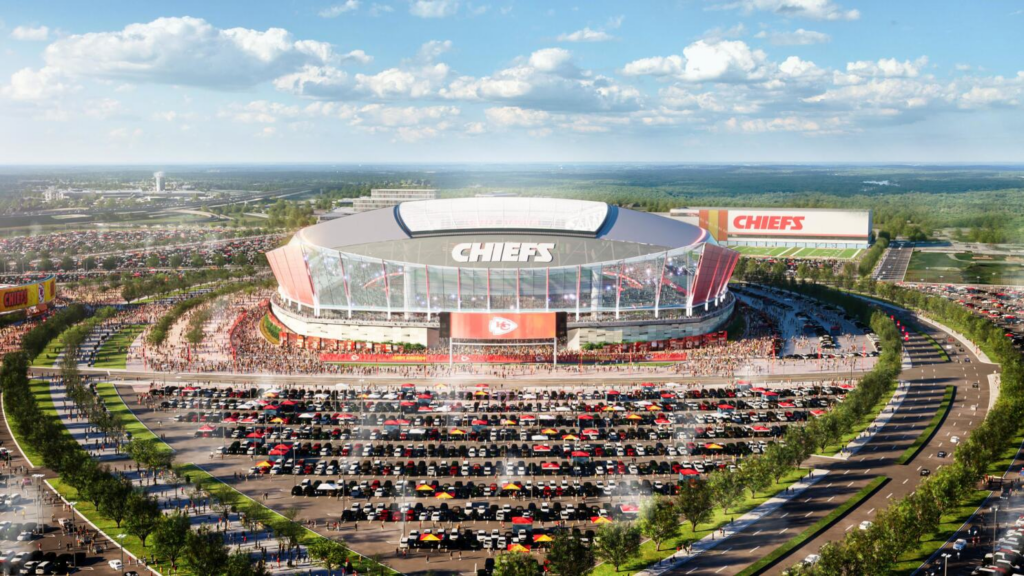
Complementing the stadium will be a mixed-use entertainment district poised to include retail, dining, hospitality, offices and residential space—creating a year-round hub rather than a venue that only comes alive on Sundays. It’s a vision that blends sport with social and economic vibrancy, offering lasting community benefits beyond game day.
A New Home for Chiefs Kingdom
For more than five decades, GEHA Field at Arrowhead Stadium has been one of the NFL’s most revered venues, known for thunderous crowd noise and an unmatched home-field advantage. But as NFL franchises across the league evolve, the Chiefs are answering the moment with a structure designed for the future.
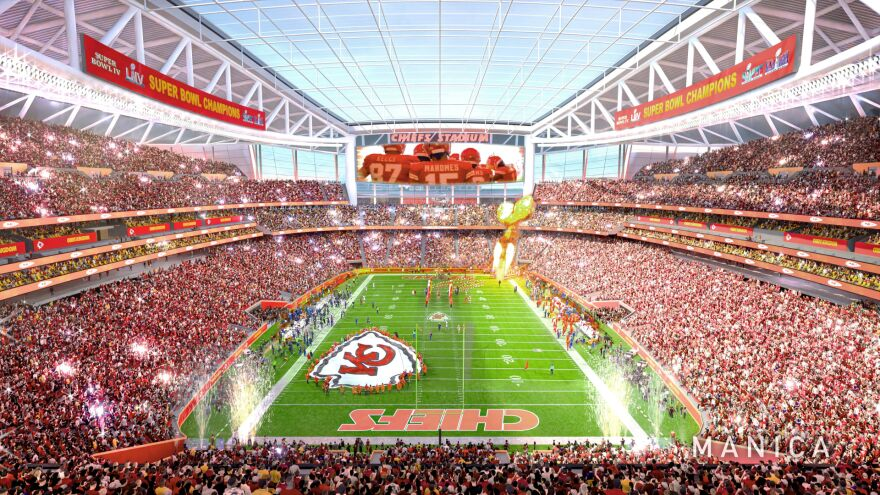
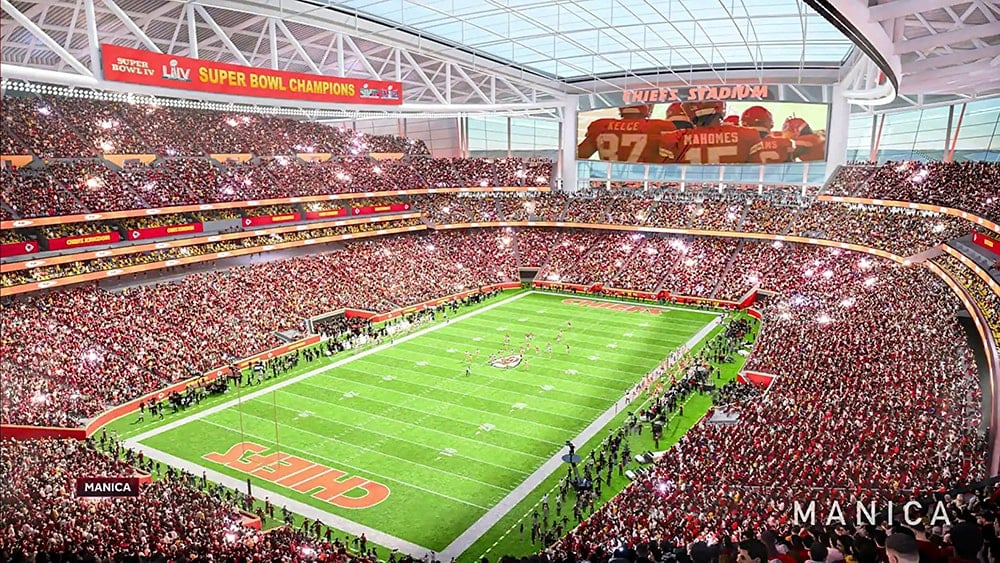
Under the new plan, the stadium will feature modern amenities, advanced fan experiences, and architectural longevity built for generations. This isn’t just a facelift—it’s a transformation.
The move also involves construction of a new headquarters and training facility in Olathe, Kansas, which will serve as the operational heart of the franchise. Together with the stadium and entertainment district, these elements position the Chiefs as pioneers in how a professional sports organization integrates into an urban and economic landscape.
Economic Powerhouse in the Making
Officials involved in the project have emphasized the economic impact as a cornerstone of the vision. During the construction phase alone, the initiative is expected to create tens of thousands of jobs and produce billions in economic activity, stimulating commerce across sectors from hospitality and retail to real estate and transportation.
Local leaders have hailed the project as a generational opportunity—one that will not only attract tourism but also encourage investment in the broader region. With Wyandotte County set to become a focal point of NFL entertainment and community development, Kansas City’s footprint as a sports and cultural destination is projected to expand far beyond current expectations.
Importantly, funding will come through a public-private partnership model that includes Sales Tax and Revenue (STAR) bonds and other incentive structures designed to ensure the project’s viability without imposing new taxes on state residents. The Hunt family, which owns the Chiefs, is also committing significant private investment as part of a collaborative financial effort.
NFL Landscape and Strategic Timing
The strategic timing of the Chiefs’ stadium initiative cannot be overstated. With star quarterback Patrick Mahomes in his prime and the franchise maintaining sustained competitiveness, building a future-ready environment aligns with the organization’s long-term aspirations both on and off the field.
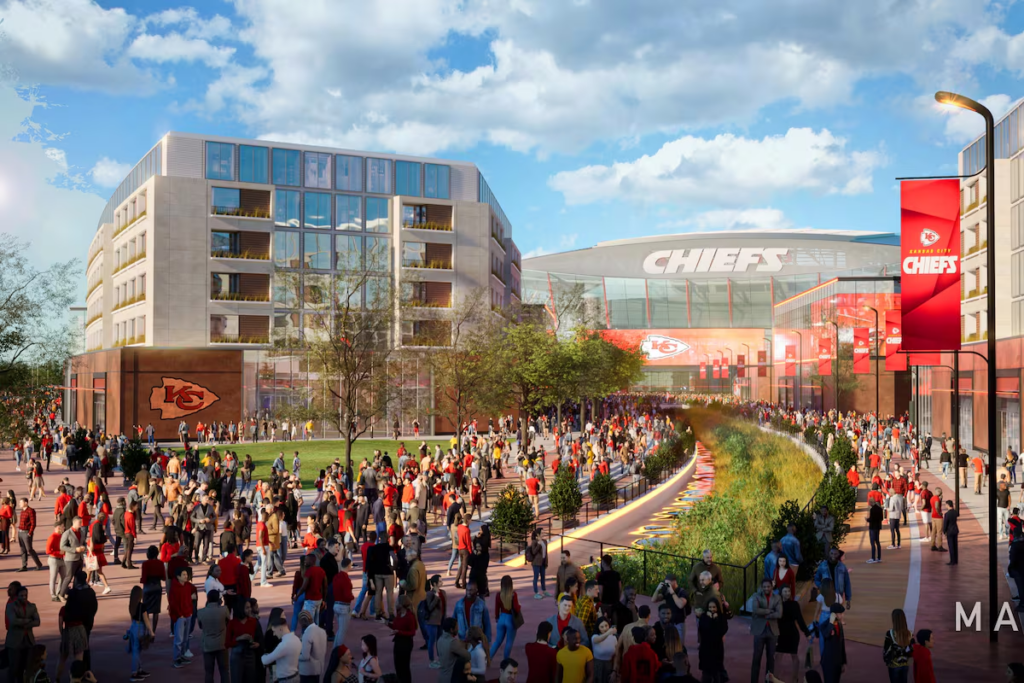
A new domed stadium expands opportunities in ways an outdoor venue cannot, especially in terms of hosting non-football events through every season. From international soccer matches to major concerts and entertainment expos, the new arena is being crafted with versatility in mind—a stage for many chapters of cultural significance.
A Legacy Project
While traditionalists may lament the departure from Arrowhead’s storied turf—one woven into the Chiefs’ championship narrative—there’s a growing recognition that this ambitious overhaul represents progress. It is as much about preserving football heritage as it is about enabling innovation.
This project doesn’t just update facilities—it reshapes the social architecture of sport in Kansas City.
In doing so, it elevates not only the Chiefs organization but also the broader region’s economic, cultural and sporting identity. The era of game-day experiences defined solely by Sundays may be giving way to an era where every day holds potential.
As the nation watches this transformation unfold, one thing is clear: Kansas City’s investment in its football future isn’t just about building a stadium—it’s about crafting a legacy.