On February 8, 2026, when the stadium lights dim at Levi’s Stadium for Super Bowl LX, millions of viewers will face a choice that has never existed before. For the first time in NFL history, the official halftime spectacle isn’t the only game in town.
The Super Bowl halftime show has always been a cultural Rorschach test. From Prince in the rain to the hip-hop masterclass of 2022, it is the one moment of the year when the entire nation agrees to look at the same 12 minutes of television.
But this year, the silence coming from the Turning Point USA (TPUSA) headquarters is louder than the official rehearsals in Santa Clara. Following the NFL’s announcement that global reggaeton icon Bad Bunny would headline the Apple Music Halftime Show, a quiet but massive counter-movement began to stir. TPUSA didn’t just voice their displeasure; they launched a rival.
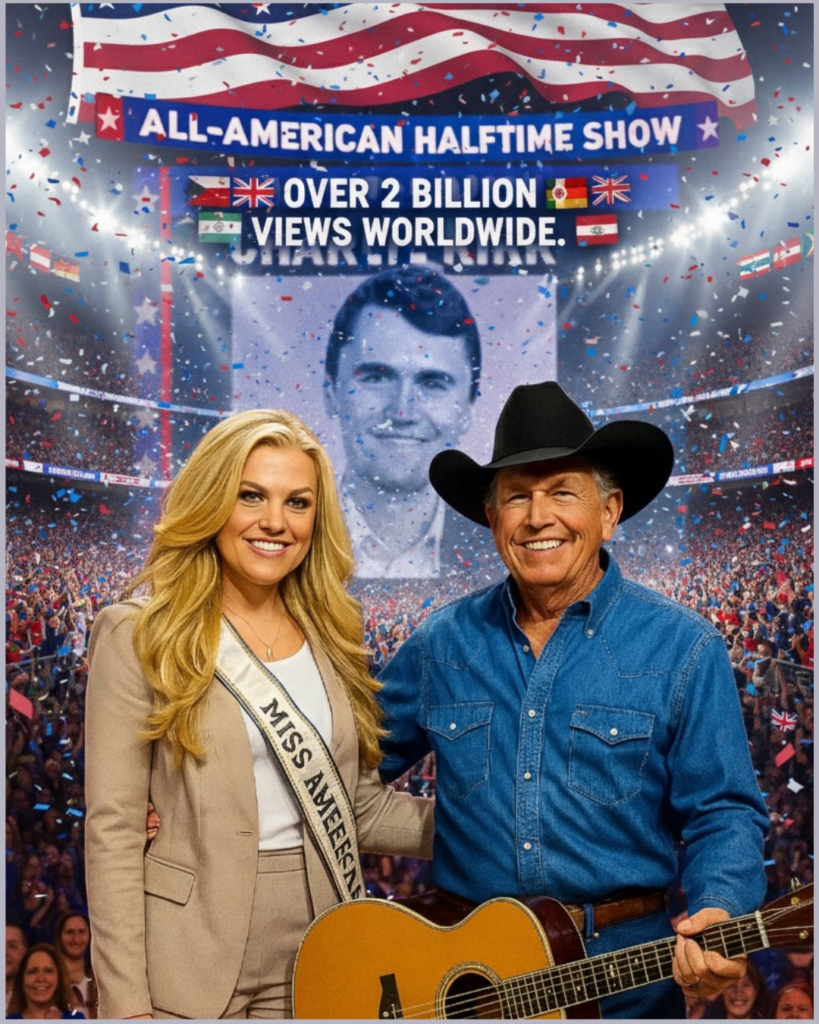
They call it The All-American Halftime Show. And it’s scheduled to air at the exact moment the official broadcast cuts to commercial.
A Selection That Sparked a Schism
The friction began the moment the NFL tapped Bad Bunny. While supporters hailed the move as a historic win for Latino representation—highlighting his status as 2025’s most-streamed artist—critics saw it differently. To a significant portion of the audience, the selection of a Spanish-speaking artist felt like a departure from the “traditional” American fabric of the game.
The backlash was swift. Figures like Speaker of the House Mike Johnson suggested Lee Greenwood as an alternative, while conservative influencers branded the choice “political.” TPUSA capitalized on this sentiment, announcing a broadcast centered on three specific pillars: Faith, Family, and Freedom.
The Mystery of the Lineup
What’s truly fascinating about the “All-American” show is the strategy of silence. Unlike the NFL’s flashy, months-long rollout, TPUSA has released almost no production details. There are no confirmed performers. No setlists. No venue announcements.
All we know is the message. A survey on the official event website asks fans what they want to hear, with “Anything in English” listed as the primary option. Rumors have swirled around country icons like Carrie Underwood and gospel powerhouse Guy Penrod, but the organizers have stayed mum, telling TMZ that fans will simply have to “tune in live” to find out.
That mystery has created a vacuum that is being filled with intense debate. Is this a legitimate concert, or a symbolic protest?
The Parallel Super Bowl Experience
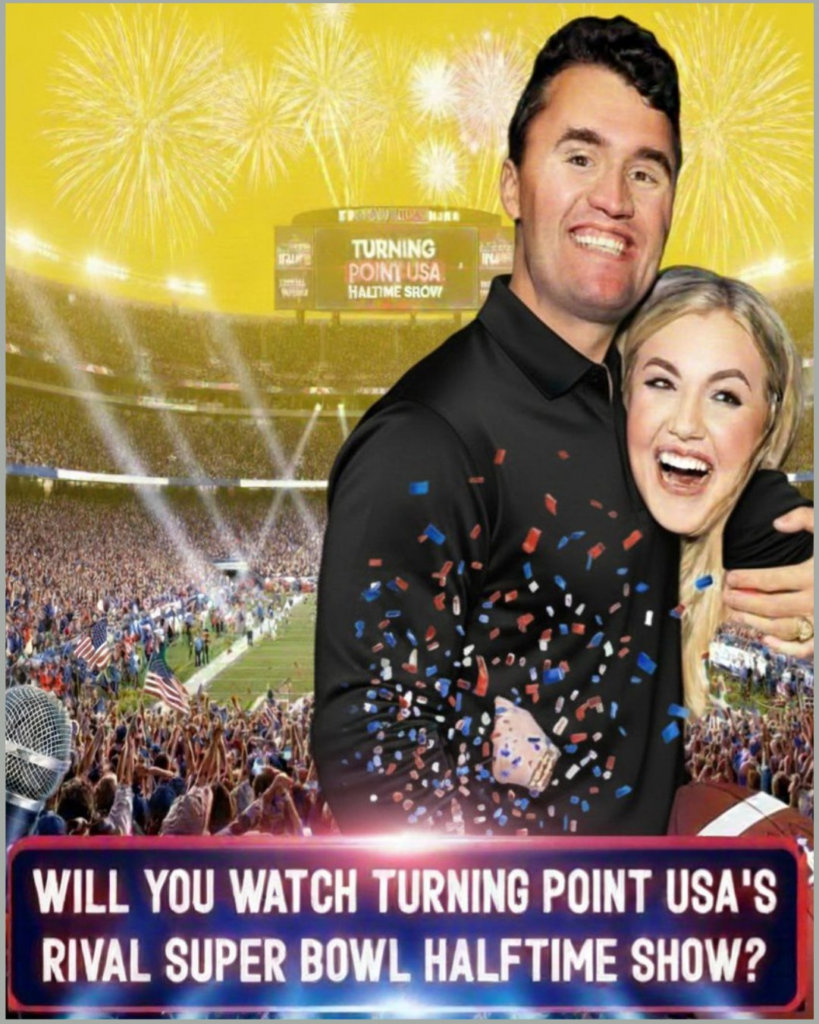
The “All-American” show represents more than just a musical disagreement; it marks the potential birth of a parallel culture. In recent years, we’ve seen the rise of alternative social media platforms and “parallel economies.” Now, it seems that even the most sacred of American pastimes—the Super Bowl—is being split. The show has found high-profile support, notably from Gracie Hunt, daughter of Kansas City Chiefs owner Clark Hunt, who stated she “definitely” backs the counter-programming effort.
For many, this isn’t about “hating” Bad Bunny’s music. It’s about a feeling of alienation. “This suddenly feels bigger than TV,” notes one cultural analyst. “It feels like a signal that a huge audience isn’t just tired of the music, but tired of the perceived message behind it.”
The Clash of Content
On February 8, the screens of America will effectively become a cultural battlefield:
| The Official Show (NBC/Peacock) | The All-American Show (TPUSA/Online) |
| Headliner: Bad Bunny | Headliner: Mystery Guests |
| Theme: Global Latino Pride | Theme: Faith, Family, Freedom |
| Language: Primarily Spanish | Language: English Only |
| Vibe: High-energy, Latin Trap | Vibe: Patriotic, Worship, Country |
The Verdict: A Nation Divided by the Channel
Whether the TPUSA show garners ten thousand viewers or ten million, its existence has already changed the game. It has forced a conversation about what the Super Bowl is “supposed” to represent.
Is the Super Bowl a bridge meant to reflect a changing, globalized America? Or is it a fortress meant to protect traditional American values? As the clock ticks down to February 8, we are no longer just waiting for a game. We are waiting to see which version of America decides to tune in.