“Cowboy Cash”: How a Four-Year-Old Facing Stage-4 Cancer Redefined Courage, One Smile at a Time
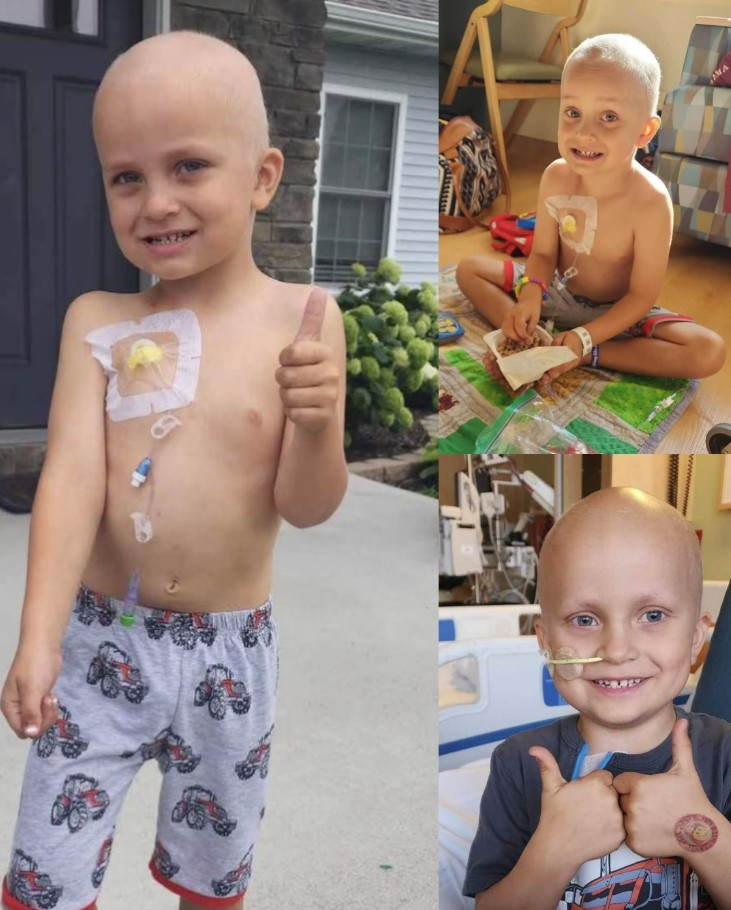
At an age when most children are learning to ride bicycles and memorize bedtime stories, Cashton’s life took a sudden and devastating turn. Just four years old when he was diagnosed, Cashton—affectionately known to many as “Cowboy Cash”—was found to have stage-4 liver cancer that had already spread to his lungs. Overnight, childhood gave way to hospital rooms, medical jargon, and a fight for survival no child should ever have to face.
For his family, the diagnosis felt unreal. What began as routine concerns quickly escalated into a nightmare marked by emergency scans, specialist consultations, and words no parent is prepared to hear. The cancer was aggressive. Time mattered. And the road ahead was uncertain.
Yet from the very beginning, Cashton met that road with a strength that would leave doctors, nurses, and strangers in awe.
A Battle That Began Too Soon
Stage-4 liver cancer in children is rare and notoriously difficult to treat, especially when metastasis has already occurred. In Cashton’s case, cancer cells had traveled to his lungs, complicating an already fragile situation.
The treatment plan was intense: multiple surgeries, rounds of chemotherapy, and experimental approaches when standard protocols failed to deliver the hoped-for results. Hospital stays blurred together. Setbacks became familiar. Each new scan carried both dread and fragile hope.
But even as treatments failed and plans changed, one thing remained constant—Cashton’s spirit.
“He never stopped smiling,” his family recalls. “Even when his body was exhausted, his heart never was.”
Surgeries, Setbacks, and Strength Beyond His Years
Cashton underwent invasive surgeries that would challenge even the strongest adults. Chemotherapy followed, harsh and unforgiving. Some rounds showed promise; others ended in disappointment. When one treatment failed, another was tried. When hope dimmed, it was rebuilt.
For his parents, the emotional toll was relentless. Watching their child endure pain while being unable to take it away was a kind of suffering all its own.
Yet Cashton seemed to understand something beyond his years. Nurses noticed it. Doctors commented on it. He greeted staff by name, waved to fellow patients, and faced procedures with a bravery that defied explanation.
That is when the nickname “Cowboy Cash” truly took on meaning.
Why They Call Him “Cowboy Cash”
Cashton’s love for cowboy hats, boots, and all things Western became a symbol of his identity during treatment. Photos of him wearing his signature cowboy hat—sometimes paired with hospital gowns and IV lines—spread quickly among supporters.
The image was powerful: a small boy, standing tall, refusing to be defined by illness.
“Cowboys don’t quit,” his family would say. “And neither does Cash.”
The nickname wasn’t just endearing—it captured his mindset. No matter how difficult the day, Cashton showed up with determination, grit, and an infectious grin.
Finding Light in the Darkest Moments
Cancer has a way of shrinking the world to waiting rooms and test results. But Cashton’s journey somehow expanded it.
Strangers became supporters. Messages of encouragement poured in from people who had never met him but were moved by his story. Prayer chains formed. Fundraisers emerged. Cards and small gifts arrived from across the country.
For many, Cashton became more than a patient—he became a reminder of what resilience looks like in its purest form.
“He taught us how to be brave,” one nurse said. “On days when adults were falling apart, he was the one holding it together.”
Nearing the Finish Line
Now, as Cashton approaches the end of treatment, the tone of his story has begun to shift. While continued monitoring and follow-up care remain essential, doctors say he is closer to remission than anyone once dared to imagine.
Each completed treatment marks a victory. Each clear scan feels like a miracle earned through endurance.
Even more poignantly, Cashton is nearing another milestone: his fifth birthday.
For his family, that birthday means more than cake and candles. It represents survival. It represents time they were once afraid they might not have.
“Every birthday felt uncertain,” his parents shared. “This one feels like a promise.”
The Impact of a Small Boy’s Big Fight
Cashton’s journey has touched countless lives, particularly families walking similar paths. Parents of children with cancer often say his story gave them strength during their darkest nights.
In a world filled with overwhelming headlines, “Cowboy Cash” became a symbol of hope—proof that courage doesn’t come from size, age, or strength, but from the refusal to surrender joy.
His smile, even during chemotherapy, reminded people that happiness can coexist with hardship.
Lessons Beyond the Hospital Walls
Cashton may be young, but his story carries lessons that resonate far beyond pediatric oncology.
It speaks to the power of community. To the importance of celebrating small victories. To the idea that bravery isn’t loud—it’s consistent.
Most of all, it challenges assumptions about resilience.
“We think children don’t understand suffering,” one family friend said. “But sometimes, they understand it better than we do.”
Looking Ahead With Hope
As treatment winds down and life slowly begins to resemble something closer to normal, Cashton’s family remains cautious—but hopeful.
There are dreams now. School days. Playgrounds. Halloween costumes chosen for fun rather than convenience. A future no longer measured in scan dates.
And while the journey has left scars—physical and emotional—it has also left something else behind: a legacy of courage far bigger than a four-year-old boy.
A Story That Will Last
Cashton’s fight is not just a cancer story. It is a story about the human spirit, seen through the eyes of a child who refused to let fear steal his joy.
“Cowboy Cash” didn’t choose this battle—but he chose how to face it.
With a smile.
With grit.
With hope.
As he steps toward his fifth birthday and a future once thought impossible, his journey stands as a powerful testament to courage, resilience, and the quiet strength found in the smallest of heroes.
And for everyone who followed his fight, one truth remains clear:
Cashton didn’t just survive cancer—he inspired a world.