NN.Dave Chappelle Refuses to Back Down as Comedy World Erupts Over Explosive Clash With Bill Maher.

Comedy World Erupts as Dave Chappelle and Bill Maher Ignite Free-Speech War in Latest Public Showdown
In late December 2025, the comedy landscape — long famous for turning controversy into punchlines — transformed into something far more combustible. What began as a quiet critique about free speech soon exploded into a raw, highly personal public confrontation between two of America’s most outspoken comic voices: Dave Chappelle and Bill Maher.
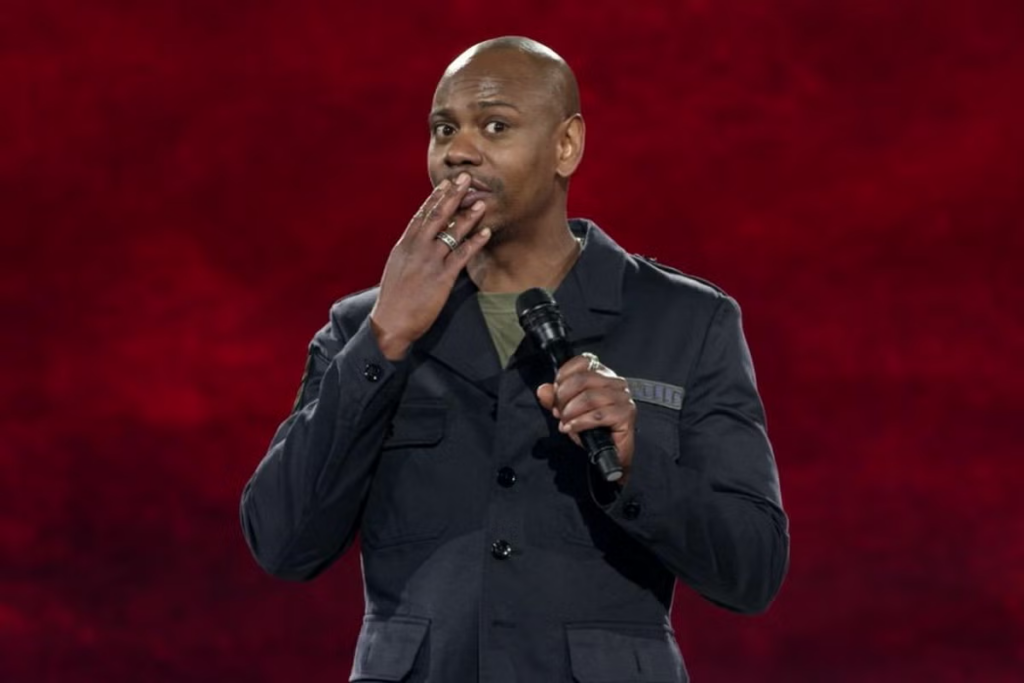
The flashpoint was Chappelle’s surprise Netflix special Dave Chappelle: The Unstoppable, which dropped without warning and immediately set social media and news outlets ablaze. In the special, Chappelle not only defended his controversial appearances overseas but also directly lashed out at Maher, turning what had been mild public criticism into a full-blown cultural clash.
Across platforms and editorial pages, comedians, commentators, and audiences alike are now debating not just the content of jokes, but where comedy ends and cultural warfare begins.
From Free Speech Debate to Personal Feud
The controversy traces back to comments Chappelle made earlier in the year during his headline set at the Riyadh Comedy Festival in Saudi Arabia. There, he provocatively claimed that “it’s easier to talk here than it is in America,” sparking immediate backlash because Saudi Arabia is widely criticized for its restrictions on speech and human rights.
Bill Maher, longtime host of Real Time with Bill Maher, took issue with that statement. On his show, Maher challenged Chappelle’s claim, arguing that free speech in the U.S. should not be compared favorably to places where censorship is state-mandated. Maher’s critique was measured but pointed, reflecting a broader concern about comedians defending performances in repressive environments.
Chappelle’s response, however, went far beyond philosophical disagreement.
The Unstoppable Comes Unleashed
When The Unstoppable landed on Netflix, fans and critics expected signature Chappelle contrarian humor — but they weren’t prepared for how personal it became. During the special, Chappelle delivers a blistering rebuke of Maher by name, referring to him in harsh terms and dismissing his commentary as “smug” and out of touch.
“I’ve known Bill since I was like 18, 19 years old,” Chappelle said, “and I’ve never said this publicly, but fuck that guy.” The line sent shockwaves through the comedy world, not only because it was unusually direct, but because it came from one comedian to another — two figures who have both built careers on sharp, unapologetic commentary.
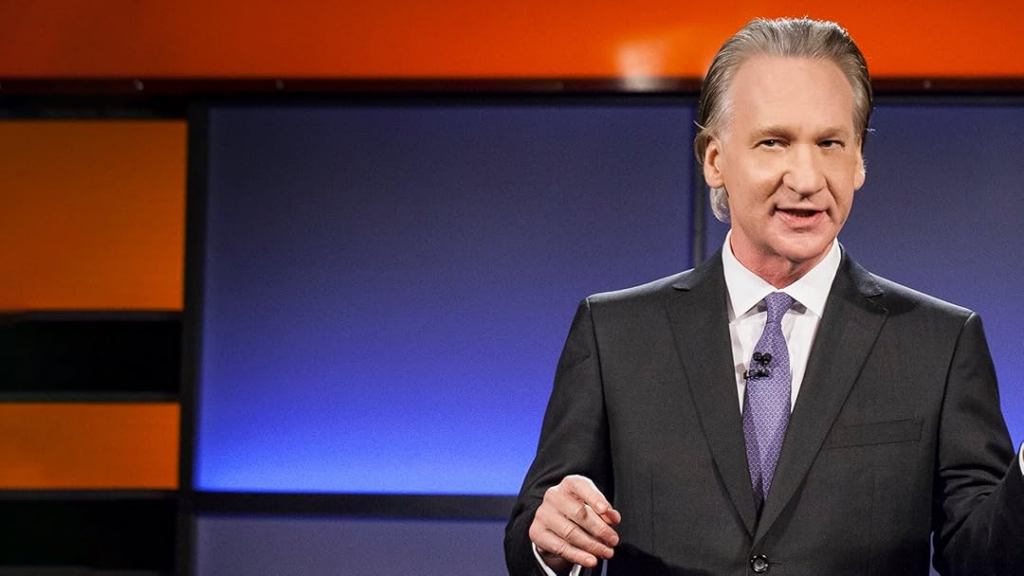
Chappelle’s special doesn’t pull punches elsewhere either. He used the platform to revisit debates around “cancel culture,” highlight what he perceives as hypocrisy regarding free speech in the U.S., and even link cultural criticism to broader global issues — all delivered with his signature blend of humor and provocation.
Audience and Industry Reaction: Divided and Heated
The fallout was instant and intense.
On social media, fans split sharply. Some cheered Chappelle’s unwillingness to back down, celebrating what they saw as a bold defense of artistic freedom. Others criticized him for what they consider unnecessary personal attacks and mischaracterizations of free-speech realities both in the U.S. and abroad. Threads on platforms like Reddit lit up with thousands of comments dissecting every joke, insult, and implication.
Many users mocked the notion that free speech could be easier in a country with strict censorship laws, calling it ironic or even hypocritical given Saudi Arabia’s human rights record. Others took Chappelle’s side, arguing that comedians — by definition — must be allowed to push boundaries without fear of backlash.
Meanwhile, commentators and fellow entertainers weighed in across the industry. Some praised Maher for his initial critique of comparing free-speech contexts, seeing it as a legitimate journalistic point. Others defended Chappelle’s right to push back and frame the debate on his own terms.
Comedy as Culture War Frontline
The clash highlights a broader reality: comedy is no longer just about laughs. Today, stand-up stages and specials are seen as platforms for cultural commentary, and comedians are expected to take sides on issues far beyond traditional punchlines — from free speech to geopolitics.
Chappelle’s career has long been defined by this tension. Previous specials — including Sticks & Stones and The Closer — sparked debate over whether his comedy punches big systems or harms vulnerable communities. These controversies have often centered on the boundaries of humor, artistic expression, and social responsibility.
Maher, too, has played this role for decades, blending political analysis with satire and positioning himself as a provocateur who critiques both sides of the cultural divide. His engagement in this dispute underscores how national conversations about speech, offense, and accountability have seeped into comedy’s core.
The Free Speech Question at the Heart of It All
At its root, the public feud is about what free speech actually means in 2025.
Chappelle’s comments, particularly about feeling freer abroad, struck a nerve because they touched on two conflicting perspectives: the U.S. ideal of open expression and the reality that social pressures, cancel culture debates, and public outrage can sometimes feel like constraints to performers.
Maher’s critique, by contrast, reminded audiences that legally protected speech in the United States remains broader than in nations where political dissent is punishable by law — and he challenged Chappelle to recognize that distinction instead of framing it as a cultural weakness.
This back-and-forth reflects how comedy has become a battleground for competing visions of speech: one that emphasizes absolutist expression, and another that emphasizes context, responsibility, and accountability.
Why This Matters Beyond Comedy Fans
While the average viewer might tune in for a joke, the discourse surrounding this feud reveals deeper fractures in public conversations about expression and society. Chappelle’s comments about free speech tapped into long-standing debates about cancel culture, political correctness, and artistic autonomy — debates that extend far beyond the comedy club.
Furthermore, the Saudi Arabia connection raised questions about ethics in global entertainment. Critics of the Riyadh Comedy Festival argued that performers implicitly endorsed a regime with a troubling human rights record by participating, even as they spoke triumphantly about free speech abroad.
As a result, the dispute between Chappelle and Maher resonates in multiple arenas: cultural, ethical, geopolitical, and artistic.
What Comes Next?
At the time of writing, Maher has not responded directly to Chappelle’s latest public critique, and Chappelle has show no sign of stepping back from the spotlight. Instead, the comedian appears to be leaning into the debate, using his platform to challenge popular narratives and spark reflection — however provocative or divisive.
What remains clear is that this feud has done more than generate headlines. It has crystallized the complex tensions facing today’s artists and audiences: How do we balance unbridled expression with social sensitivity? What responsibilities do entertainers hold when engaging with global politics? And how does humor fit into a world where every comment can become a viral flashpoint?
Whether audiences see this as comedy evolving or culture war escalating, one thing is certain: the showdown between Dave Chappelle and Bill Maher has transformed a quiet criticism into a spectacle that keeps the world talking — long after the laughter fades.