f.Amid growing retirement talk around the league, the Kansas City Chiefs sent a clear message: this dynasty is not fading quietly. No farewell tour. No easing into the background. Inside the organization, the tone is firm — unfinished business still drives everything.f

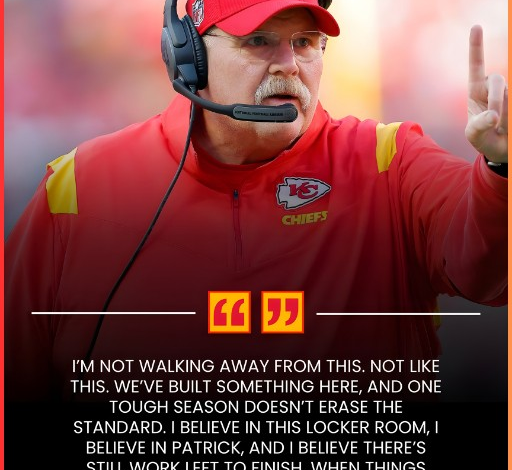
“If They’ll Have Me Back”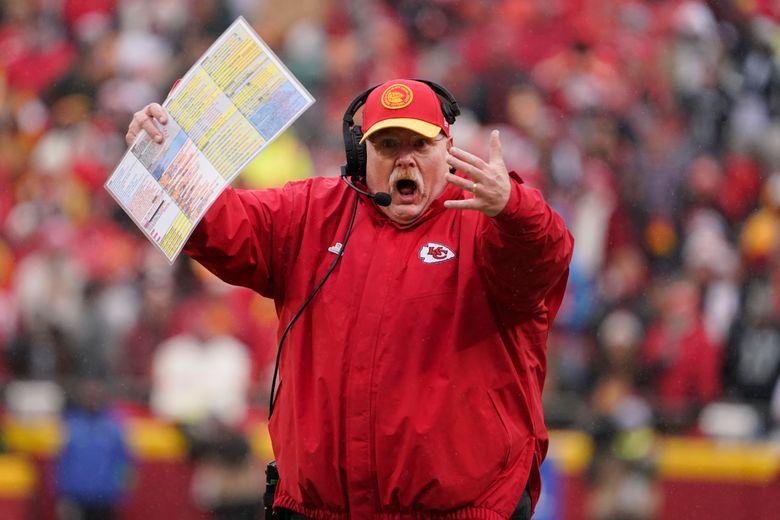
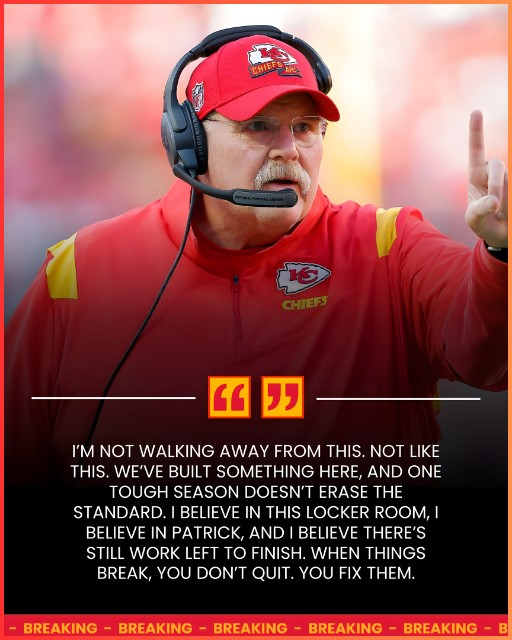
The retirement rumors reached a fever pitch following the Chiefs’ elimination from playoff contention—the first time they have missed the postseason since 2014. But during a Zoom call with reporters on Monday, December 29, Reid shut down the speculation with his signature dry wit:
“I mean, I think I’m coming back, right?” Reid joked. “If they’ll have me back, I’ll come back. You never know in this business, so that’s a tough one, but I plan on it.”
While the joke was lighthearted, the intent was heavy. Reid isn’t just staying; he’s doubling down. Despite being 67 years old, he is currently under a five-year, $100 million contract extension that keeps him at the helm of the Kingdom through the 2029 season.
Chasing History
Reid isn’t just coaching for rings anymore; he’s coaching for the record books. With 307 career wins, he currently sits at 4th all-time. Returning in 2026 puts him on a direct collision course with:
- George Halas (324 wins): Reid needs just 18 wins to claim the #3 spot.
- Bill Belichick (333 wins): Within two to three strong seasons, Reid could become the second-winningest coach in NFL history.
THE REBUILD: Fixing the “Stale” Kingdom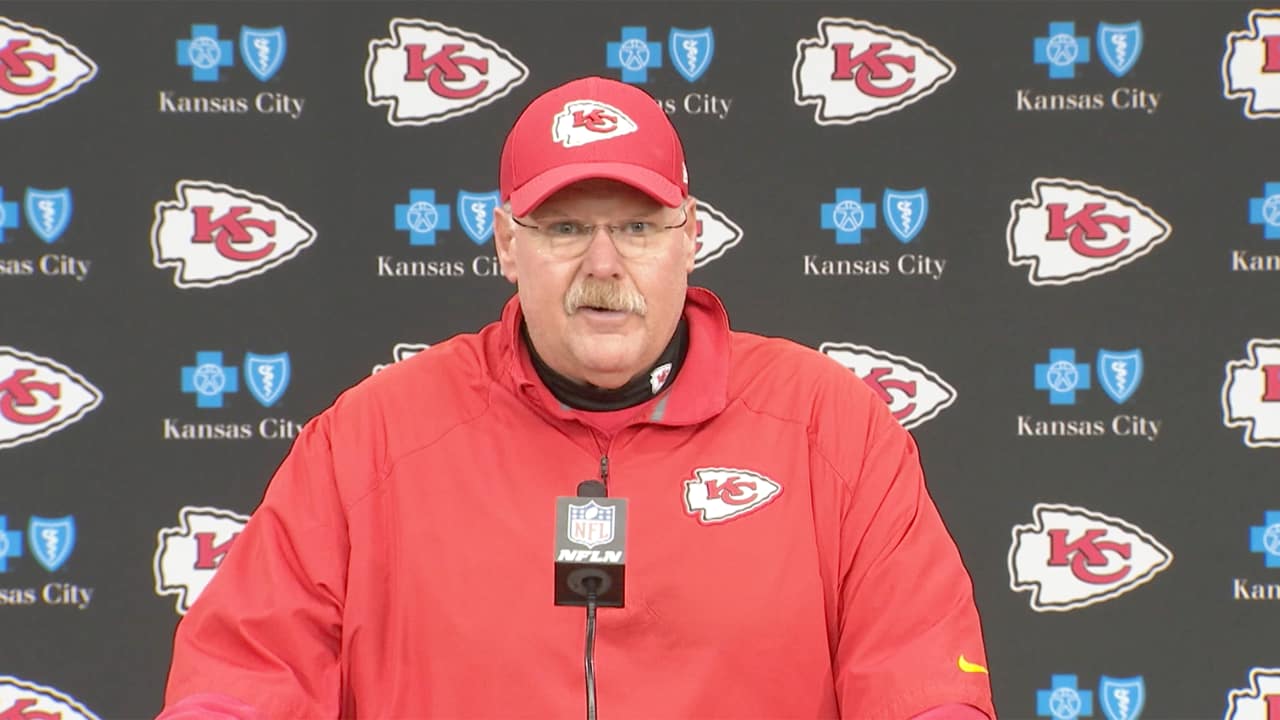
The “push back” Reid is preparing isn’t just about showing up; it’s about a total offensive evolution. Insiders suggest that 2026 will see the most significant schematic shift in the Mahomes era.
- Mahomes’ Rehab Timeline: Patrick Mahomes successfully underwent surgery to repair both his ACL and LCL in mid-December. While the injury is complex, the 9-month recovery window puts him on track for a September 2026 return. Reid has already stated that Mahomes is “attacking” his rehab with the same intensity he brings to a two-minute drill.
- Roster Purge: With the Chiefs facing a projected $40 million+ salary cap deficit in 2026, Reid and GM Brett Veach are expected to make “cold-blooded” cuts to underperforming veterans to rebuild around Mahomes’ return.
- Draft Capital: For the first time in years, the Chiefs will hold a top-15 draft pick. Reid is reportedly eyeing “explosive playmakers” to move away from the stale, dink-and-dump offense that struggled throughout 2025.
THE VERDICT: The Dynasty Isn’t Dead, It’s Reloading
The rest of the NFL may be smelling blood in the water, but Andy Reid’s message is clear: the Chiefs are not entering a “soft landing” phase. They are using 2025 as a painful, necessary lesson. As one AFC executive put it, “A healthy Mahomes and a motivated Andy Reid with a high draft pick is a nightmare for the rest of the league.”
🚨 THE REVENGE TOUR STARTS NOW.
While the season ends this Sunday against the Raiders, the 2026 “Reload” has already begun in the front office.
dq. Travis Kelce Declines $340 Million Offers From Eight Teams, Vows to Retire as a Chief

In an era where loyalty in professional sports often bends under the weight of record-breaking contracts, Travis Kelce just made a statement that cuts against the modern NFL grain. According to reports circulating around league circles, Kelce turned down a combined $340 million in offers from eight different teams, choosing instead to remain with the Kansas City Chiefs — and publicly committing to finishing his career exactly where it began.
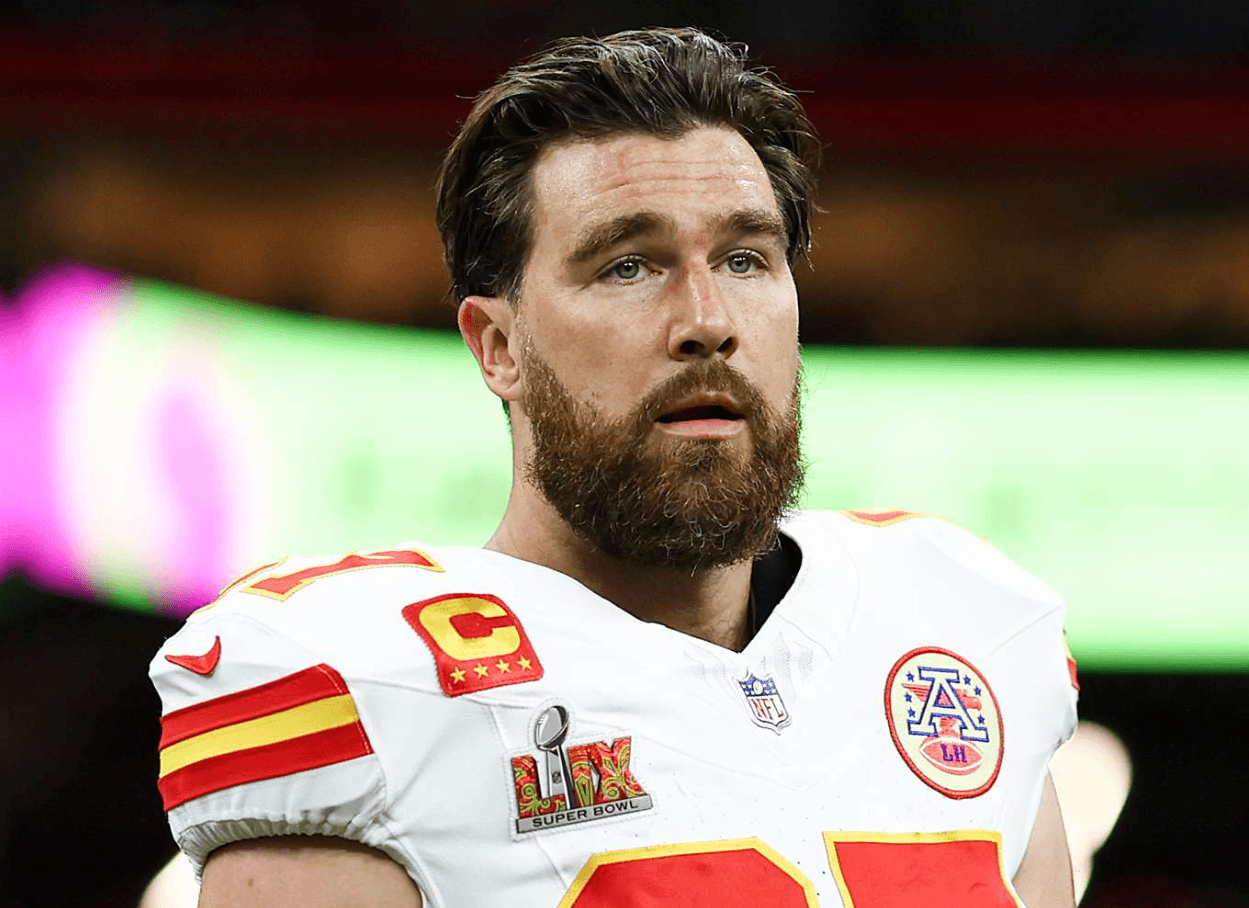
For many fans, the number alone is staggering. In a league defined by short career windows and constant roster churn, walking away from that level of guaranteed money seems almost unthinkable. Yet for Kelce, the decision appears to have been less about dollars and more about legacy.
Kelce has never been just another star in Kansas City. Since arriving in the league, he has become inseparable from the franchise’s modern identity. His chemistry with Patrick Mahomes reshaped the tight end position, transforming it into a centerpiece of the Chiefs’ offense rather than a supporting role. Together, they helped usher in one of the most dominant eras in recent NFL history — defined by championships, records, and a style of play that changed how defenses prepare.
Sources familiar with the discussions say the offers came from teams in various stages of contention — some chasing a championship immediately, others looking for a cultural reset anchored by a proven winner. The pitch was clear: massive contracts, expanded influence, and the chance to be the final missing piece.
Kelce listened. Then he said no.
Privately, those close to him describe the decision as deeply personal. Kelce reportedly weighed the financial reality — security for generations — against something harder to quantify: identity. Kansas City isn’t just where he plays; it’s where he built his name, his confidence, and his place in NFL history. Leaving, even for historic money, would have meant rewriting that story in its final chapters.
There’s also the locker room factor. Kelce has often spoken about culture, leadership, and accountability — values that have defined the Chiefs’ rise. Walking away from that environment, particularly while the team remains competitive, didn’t sit right with him. For a veteran who measures success in championships and brotherhood, the idea of chasing one last paycheck elsewhere reportedly felt hollow.
From the Chiefs’ perspective, Kelce’s vow to retire with the team carries enormous symbolic weight. Franchises rarely get to script clean endings for their legends. Too often, icons finish their careers in unfamiliar uniforms, remembered as much for how they left as for what they accomplished. Kelce’s commitment offers Kansas City something rare: continuity of legacy.

That loyalty resonates with fans, especially in a league where emotional attachment can feel risky. Arrowhead Stadium has watched Kelce grow from a talented prospect into a generational figure. His decision reinforces a bond that transcends contracts — a shared history built on trust, winning, and mutual respect.
Critics, of course, question the logic. Football is brutal. Careers end suddenly. Passing on $340 million invites scrutiny, no matter how strong the emotional case may be. But supporters counter with a simple truth: Kelce has already secured financial success. What he’s chasing now can’t be measured in zeros.
There’s also the matter of legacy beyond statistics. Retiring as a Chief places Kelce firmly in the lineage of franchise icons whose names are spoken without qualifiers. No asterisks. No late-career footnotes. Just a career defined by one city, one team, and one standard.
In public comments, Kelce has avoided grandstanding. He hasn’t criticized teams that pursued him, nor framed the decision as a sacrifice. Instead, he’s emphasized gratitude — for the organization, the fans, and the opportunity to finish what he started. That tone only reinforces why the decision feels authentic rather than performative.
As the NFL continues to evolve into a business-first ecosystem, moments like this stand out precisely because they are rare. Whether Kelce plays one more season or several, his message is clear: some things matter more than the biggest offer on the table.
In turning down $340 million, Travis Kelce didn’t just choose the Chiefs. He chose permanence in a league built on change — and a legacy that will forever be stamped in red and gold.