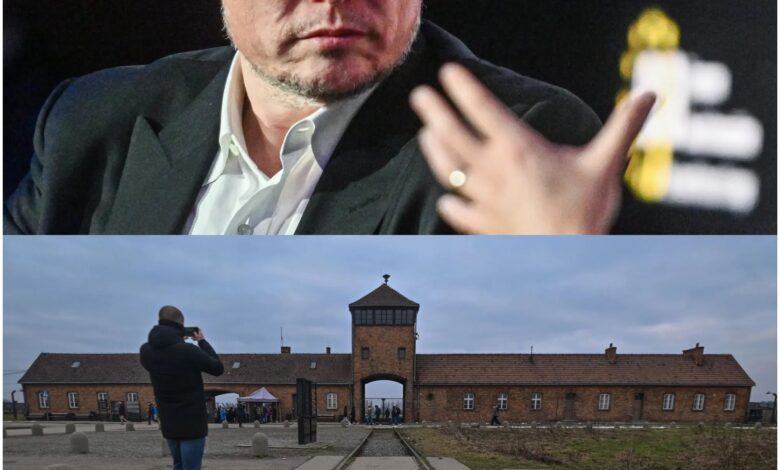
Elon Musk, the billionaire entrepreneur behind Tesla and SpaceX, recently made headlines for a visit that was markedly different from his usual space and technology ventures. Musk took a private tour of the Auschwitz-Birkenau concentration camp in southern Poland, one of history’s darkest sites, where an estimated 1.1 million people—mostly Jews—were systematically murdered during World War II. The visit left Musk visibly moved, prompting him to reflect on the tragedy and horror of the Holocaust.
“It was incredibly moving, and deeply sad and tragic that humans could do this to humans,” Musk said following his tour. His words capture the profound shock that many experience when confronting the scale of the atrocities committed at Auschwitz. The site, preserved as a museum and memorial, stands as a stark reminder of the consequences of hatred, intolerance, and unchecked power. For Musk, who is often associated with forward-looking visions of technology and space exploration, this encounter with humanity’s darkest history appears to have been deeply affecting.
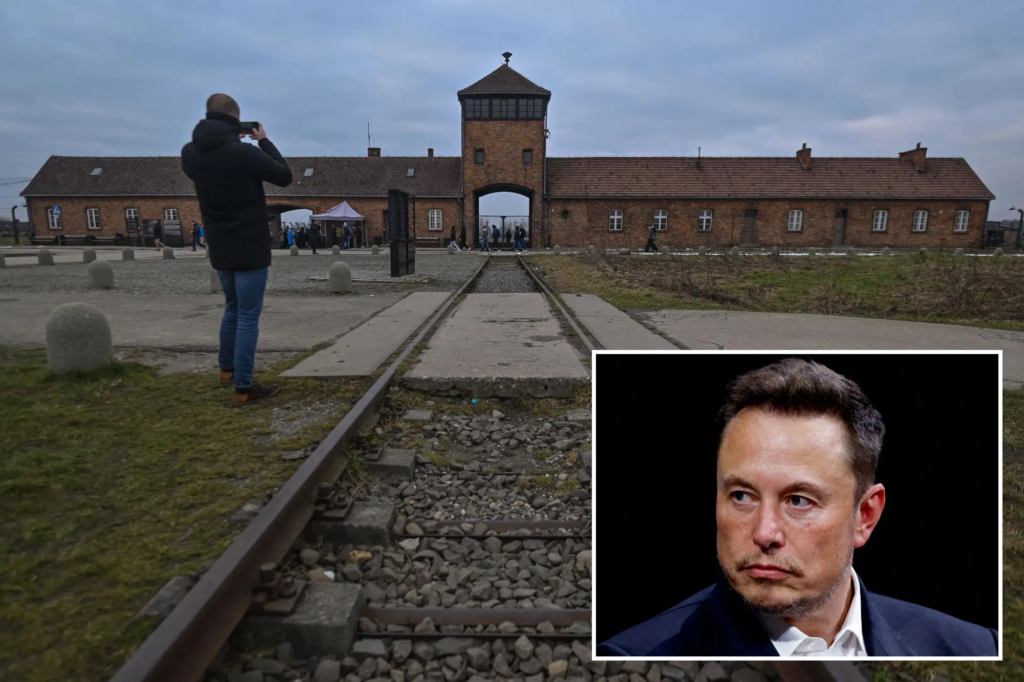
During the visit, Musk was accompanied by a small group that included his son, Rabbi Menachem Margolin—the chairman of the European Jewish Association, Holocaust survivor Gidon Lev, and controversial conservative media figure Ben Shapiro. A photo from the visit shows Musk carrying his son on his shoulders, a poignant image that symbolically connects the past with the present and future. Witnessing the site alongside Holocaust survivors and advocates offered Musk a direct, personal encounter with history, emphasizing the importance of remembrance and education.
Auschwitz-Birkenau was the largest Nazi concentration and extermination camp, where individuals were subjected to unimaginable suffering, forced labor, and mass executions. Walking through the grounds, visitors are confronted with the remnants of barracks, gas chambers, and personal belongings of the victims. For Musk, the visit was not just a historical reflection but also a moral confrontation—a reminder of the depths of human cruelty and the imperative to prevent such atrocities in the future.
The visit comes amid ongoing scrutiny of Musk’s ownership of X (formerly Twitter) and accusations that the platform has sometimes allowed antisemitic content to circulate. By visiting Auschwitz, Musk appears to reaffirm his acknowledgment of the Holocaust’s gravity and the importance of combating hate and discrimination. His presence at the memorial also signals a broader recognition that technological innovation and global influence come with responsibilities—not just to advance society but also to respect and remember human history.
Musk’s reflection on the Holocaust resonates beyond his personal experience. It raises broader questions about memory, ethics, and responsibility in the digital age. As a public figure with vast influence, his acknowledgment of historical atrocities underscores the necessity of awareness and education about past horrors. In an era when misinformation and hate speech can spread rapidly online, such reflections are particularly significant.
Observers noted the contrast between Musk’s usual public persona—focused on rockets, electric cars, and futuristic ventures—and his solemn engagement with one of humanity’s most tragic chapters. This humanizing moment provides a rare glimpse into the personal side of a figure often defined by innovation and disruption. It also serves as a reminder that even those shaping the future must confront the lessons of the past.
The Holocaust, as a historical event, is both a warning and a call to action. Musk’s visit highlights the need to remember the victims and educate future generations. By publicly sharing his experience and reaction, Musk contributes to an ongoing dialogue about the importance of acknowledging history’s darkest moments, understanding the human capacity for cruelty, and ensuring that such tragedies are never repeated.
For the public, the image of Musk carrying his son at Auschwitz is symbolic. It evokes the continuity of life and the responsibility of one generation to teach the next about the moral imperatives of humanity. The juxtaposition of personal life and historical tragedy underscores the weight of remembrance and the profound impact that confronting history can have on individuals, even those with global fame and influence.
In reflecting on his visit, Musk’s words remind us that atrocities like the Holocaust are not distant, abstract events—they are deeply human tragedies that require ongoing reflection and vigilance. “It was incredibly moving, and deeply sad and tragic that humans could do this to humans,” he said, encapsulating a truth that remains as urgent today as it was over seventy years ago. His acknowledgment reinforces the importance of empathy, education, and the moral responsibility to ensure that such horrors are neither forgotten nor repeated.
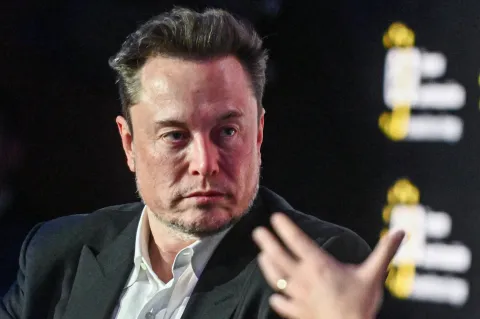
Musk’s tour of Auschwitz-Birkenau also emphasizes the role of public figures in shaping collective memory. When influential individuals engage with history in meaningful ways, they can amplify the lessons of the past to a global audience. In Musk’s case, his words and actions at the camp serve as a call to recognize the consequences of hatred and the necessity of tolerance, compassion, and moral responsibility in the modern world.
In the end, Musk’s visit to Auschwitz was more than a historical tour—it was an encounter with humanity’s darkest capacity and a sobering reminder of the moral imperatives we all share. It underscores the need for remembrance, education, and vigilance, ensuring that the lessons of the Holocaust remain alive for generations to come. Through his reflection, Musk not only expressed personal shock and sadness but also contributed to the broader effort to confront history honestly, preserve memory, and advocate for a world that resists hatred and violence.
?