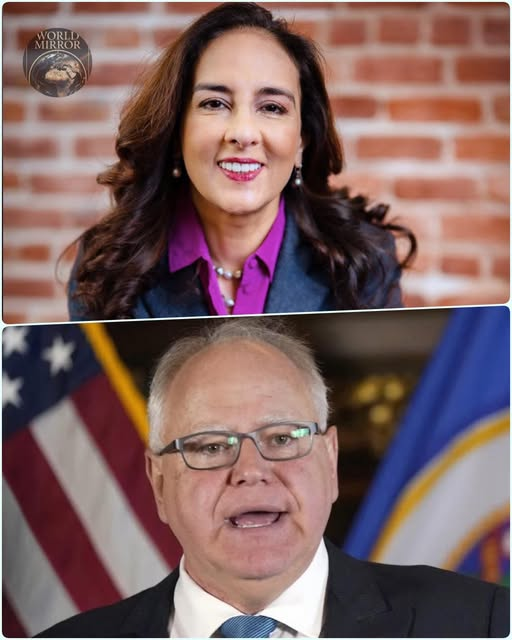
A legal bomb has just landed in Minnesota—and the shockwaves could reach far beyond Minneapolis.
In a move already igniting fierce national debate, Assistant Attorney General Harmeet Dhillon has filed a lawsuit against Minneapolis Public Schools (MPS), accusing the district of engaging in discriminatory hiring practices that favor certain racial groups over others. At the heart of the case is a controversial initiative that allegedly prioritizes specific demographics—most notably programs such as “Black Men Teach Fellows.”
Supporters are calling it long-overdue accountability. Critics warn it could dismantle diversity initiatives across the country.
And now, one question dominates the conversation: Is this a landmark civil rights case—or the opening salvo in a much larger legal war over race, equity, and education in America?
The Lawsuit That Lit the Fuse
According to the complaint, Minneapolis Public Schools violated federal civil rights law by implementing hiring and employment programs that explicitly—or implicitly—favor applicants based on race. The lawsuit argues that such practices run afoul of the Civil Rights Act of 1964, which prohibits discrimination in employment on the basis of race, color, sex, or national origin.
The filing specifically cites initiatives designed to increase representation of certain racial groups in teaching and administrative roles. Among them is the Black Men Teach Fellows program, which critics say restricts eligibility in ways that disadvantage applicants from other racial backgrounds.
Dhillon’s legal team argues that while diversity may be a stated goal, race-based preferences are not legally permissible—especially in public institutions funded by taxpayers.
“This case is about equal treatment under the law,” one official close to the lawsuit said. “No government employer should be allowed to sort people by race, no matter how well-intentioned the policy claims to be.”
Why Minneapolis?
Minneapolis has become a national symbol in debates over race, policing, and social justice since 2020. Its school district, like many across the country, has aggressively pursued equity-driven reforms aimed at correcting historical disparities in education outcomes and representation.
District leaders have long argued that targeted recruitment programs are necessary to address glaring gaps—particularly the underrepresentation of Black male teachers in classrooms serving diverse student populations.
Supporters of these initiatives say representation matters.
They argue that students benefit when educators reflect their lived experiences, cultural backgrounds, and communities—and that traditional “race-neutral” hiring has failed to achieve that goal.
But the lawsuit challenges whether intentions justify methods.
Supporters: “This Is About Fairness”
For those backing the lawsuit, this case represents a turning point.
They argue that diversity programs have crossed a legal line—moving from outreach and encouragement into outright racial preference, which they say is both unconstitutional and divisive.
Conservative legal groups and civil rights advocates aligned with race-neutral policies have praised the move, framing it as a defense of equal opportunity rather than an attack on diversity.
“This isn’t anti-diversity,” one supporter said. “It’s anti-discrimination. The law doesn’t allow public institutions to pick winners and losers based on skin color—period.”
Some parents and teachers have echoed that sentiment, saying qualified candidates may have been discouraged or excluded from opportunities solely because they didn’t fit a preferred demographic profile.
Critics: “This Could Gut Diversity Efforts Nationwide”
Opposition to the lawsuit has been swift and intense.
Civil rights organizations, educators, and progressive leaders warn that a ruling against Minneapolis Public Schools could have sweeping consequences, effectively chilling diversity initiatives across the country.
They argue that race-conscious programs are a necessary response to systemic inequities—and that eliminating them would lock in existing disparities rather than fix them.
Critics also point to recent Supreme Court rulings limiting affirmative action in higher education, warning that this lawsuit could extend that logic into K–12 public schools, reshaping how districts nationwide approach hiring.
“This isn’t just about Minneapolis,” one education advocate warned. “This is about whether schools can even try to address inequality without being sued.”
The Legal Tightrope: Diversity vs. Discrimination
Legally, the case sits at the intersection of two powerful—and often conflicting—principles:
- The desire to promote diversity and remedy past discrimination
- The constitutional mandate for equal treatment under the law
Courts have historically allowed certain race-conscious measures under narrow circumstances, but the bar has grown increasingly high. Recent decisions suggest a judiciary far more skeptical of policies that explicitly reference race, especially when implemented by public institutions.
If the court sides with Dhillon, districts nationwide may be forced to rewrite hiring policies, eliminate targeted fellowships, and rethink equity frameworks that have been years in the making.
If Minneapolis prevails, it could embolden other districts to defend—and even expand—similar initiatives.
Either way, the precedent could be massive.
Politics Loom Large
The lawsuit lands in a deeply polarized political environment, where education, race, and civil rights have become flashpoints in national elections.
Republicans are increasingly framing diversity programs as discriminatory overreach. Democrats argue they are essential tools for fairness and inclusion.
That political backdrop raises concerns that the courtroom battle could become a proxy war for broader ideological fights—dragging schools, teachers, and students into the crossfire.
Minneapolis officials have not yet detailed their full legal response, but early statements suggest the district will vigorously defend its programs, insisting they are lawful, necessary, and rooted in educational research.
What Happens Next?
The case is still in its early stages, but legal experts expect a prolonged fight—one that could move through appeals and potentially reach higher courts.
In the meantime, school districts across the country are watching closely. Many are quietly reviewing their own hiring practices, unsure whether programs designed to promote diversity could soon become legal liabilities.
For parents, educators, and policymakers alike, the stakes are enormous.
This isn’t just about one school district.
It’s about how America defines fairness, opportunity, and equality in its public institutions.
And as the lawsuit moves forward, one thing is clear:
The battle over race and education is no longer theoretical.
It’s here—and it’s heading straight for the courts.