
The Department of Justice’s (DOJ) recent release of the long-awaited Jeffrey Epstein files has left the public reeling. Far from shedding light on one of the most notorious sex-trafficking cases in modern history, the files appear to be a carefully curated maze of redactions, omissions, and confusing reversals that have only fueled suspicion. For survivors, advocates, and concerned citizens, what was meant to be a moment of accountability has turned into yet another source of frustration and heartbreak.
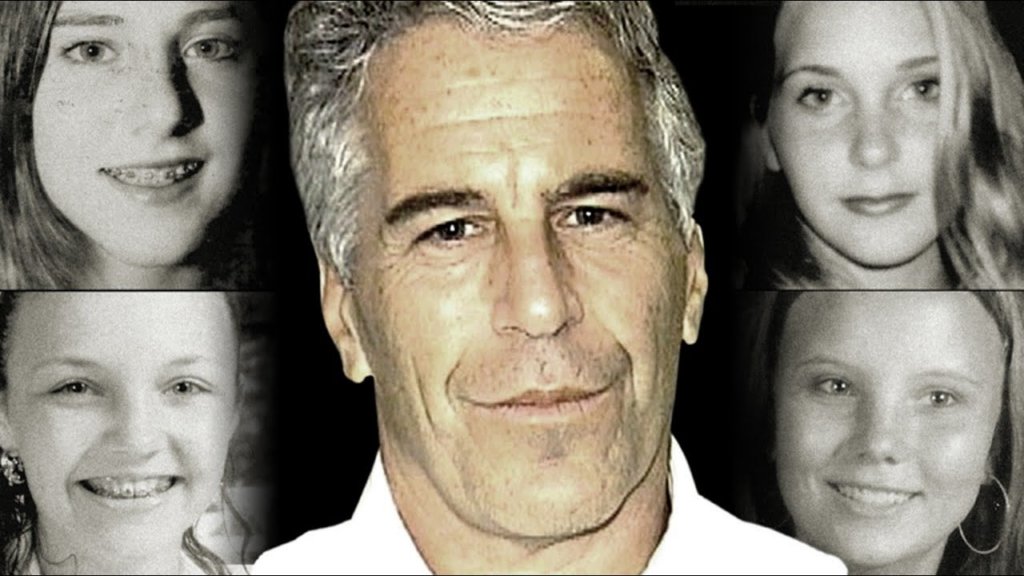
After months of bipartisan pressure and repeated demands from Congress for full transparency, the DOJ finally released the documents on Friday. On paper, this moment could have marked a step toward justice—an opportunity for Epstein’s victims to see the full truth and for the public to understand the depth and reach of his crimes. In reality, the documents raised more questions than they answered. Large swaths of text were blacked out, entire sections were missing, and critical images had been removed only to be quietly restored later. The result was a release that felt as much like a cover-up as it did a disclosure.
Many of the files’ redactions have immediately drawn attention. Key names, dates, and details remain obscured, leading observers to wonder: what is being hidden, and why? The nature of the redactions seems particularly telling in cases involving high-profile individuals, including former President Donald Trump. While Trump’s name is not explicitly central in the documents that have been made public, the sheer volume of missing material surrounding certain timelines and associations has sparked questions about whether powerful figures are being shielded from scrutiny. In an era where accountability is demanded but rarely enforced, this level of opacity has provoked outrage.
Adding to the confusion, the DOJ’s handling of images has been inconsistent. Some photos that had been previously released were removed without explanation, causing immediate concern among journalists and activists. The images were later restored, but the lack of clarity on why they were removed in the first place only deepened suspicion. For survivors, these moves are far from abstract bureaucratic decisions—they feel like another layer of dismissal, as if their trauma and pursuit of justice are being manipulated or minimized.
For the public, this episode is also a test of trust in institutions. The DOJ, as the nation’s top legal authority, carries the responsibility to handle sensitive information with integrity. When documents are released in a heavily redacted form, then reversed, then partially restored, it erodes confidence and raises a simple but pressing question: is justice being served, or is it being managed to protect the powerful? This tension is particularly pronounced in the Epstein case, which involves a sprawling network of wealth, influence, and alleged complicity that stretches across social, political, and even international boundaries.
The fallout from this release also underscores a painful reality for survivors. Many had hoped that this moment would finally bring a measure of justice after decades of silence and secrecy. Instead, the heavily censored files offer frustration, ambiguity, and, for some, the sense of betrayal. The lack of transparency leaves survivors with unanswered questions about who knew what, who was involved, and why their suffering went unchecked for so long. In this sense, the DOJ’s release, while technically a step toward openness, fails to fulfill the promise of accountability.
Observers and legal analysts are now dissecting the documents for clues, looking for patterns in what was withheld and what was revealed. Some note that the omissions disproportionately affect content that could implicate wealthy and politically connected individuals, further fueling speculation about selective protection. While it is impossible to draw definitive conclusions without full access, the perception of bias can be nearly as damaging as the bias itself. In the court of public opinion, secrecy breeds suspicion, and suspicion undermines confidence in the justice system.
The Epstein case has always been more than the crimes of one man; it is a lens through which society examines power, privilege, and impunity. From wealthy financiers to influential politicians, the networks exposed by Epstein’s actions reveal how social and economic status can shield individuals from accountability. The DOJ’s handling of the files now adds another chapter to this narrative, illustrating how procedural opacity can amplify the perception of inequality under the law. When redactions obscure the truth, it reinforces the idea that justice is accessible only to those without influence, while the powerful remain protected.

In the broader context, this release is also a reminder of the role media and advocacy groups play in holding institutions accountable. Journalists and survivors’ advocates immediately began analyzing the files, highlighting discrepancies, and demanding explanations. The public response has been vocal and sustained, demonstrating that transparency is not simply a matter of releasing documents—it is a continuous process of scrutiny, questioning, and pressure. In the absence of full disclosure, public trust rests on active engagement, and in this case, engagement is intense, often bordering on outrage.
Yet amid the frustration and suspicion, one fact remains undeniable: the Epstein files expose a system in which accountability is inconsistent and justice often deferred. For survivors, advocates, and the wider public, the release serves as both a revelation and a reminder that power can manipulate processes, even in cases that are supposed to be beyond reproach. It is a stark illustration of how much work remains to be done if society genuinely seeks transparency, fairness, and protection for the vulnerable.
As the files continue to be examined and dissected, the debate over what was released—and what remains hidden—is likely to persist. Questions about potential shielding of high-profile figures, inconsistent handling of sensitive material, and the adequacy of DOJ procedures will dominate discourse in both legal and public spheres. For now, the release stands as a cautionary tale about the limits of institutional transparency: even in a case as high-profile and morally urgent as Epstein’s, the full truth remains elusive.
Ultimately, the Epstein files are more than a collection of documents; they are a symbol of the tension between justice and power. The redactions, reversals, and omissions reveal how the mechanisms of authority can obscure as much as they reveal. And for survivors and the public alike, the files are a bitter reminder that the pursuit of justice is rarely straightforward—and often comes with the disheartening realization that those with power may always find ways to protect themselves, even in the face of overwhelming evidence.
The DOJ’s release, with all its flaws and inconsistencies, leaves a clear impression: transparency is incomplete, trust is fragile, and the fight for accountability continues. In the end, the Epstein files are not merely about one man’s crimes—they are about the broader struggle to ensure that justice is not a privilege reserved for the powerful, but a right accessible to all. And until the full truth is revealed, that struggle remains unfinished.