doem Gene Simmons and the Case for Keeping Beliefs Private in a Politically Obsessed Age

Gene Simmons has spent decades commanding attention. As the thunderous bassist and co-founder of KISS, he built a career on spectacle, controversy, and unapologetic self-expression. Yet one of his most thought-provoking statements in recent years didn’t come from a stage drenched in pyrotechnics, but from a quiet moment of reflection after receiving a Kennedy Center Honor. Instead of celebrating politics or aligning himself with a cause, Simmons did something unexpected: he dismissed politics altogether as a public obsession and argued that personal beliefs should remain just that—personal.
In an era where politics has become a near-constant background noise, Simmons’ words landed with unusual force. Today, political identity often bleeds into every corner of life. It shows up in workplace conversations, family gatherings, dating profiles, and social media bios. For many, who you vote for is no longer a private choice but a defining trait, a shortcut for judging someone’s morality, intelligence, or worth. Against this backdrop, Simmons posed a blunt and unsettling idea: why do we care so much about what other people believe?
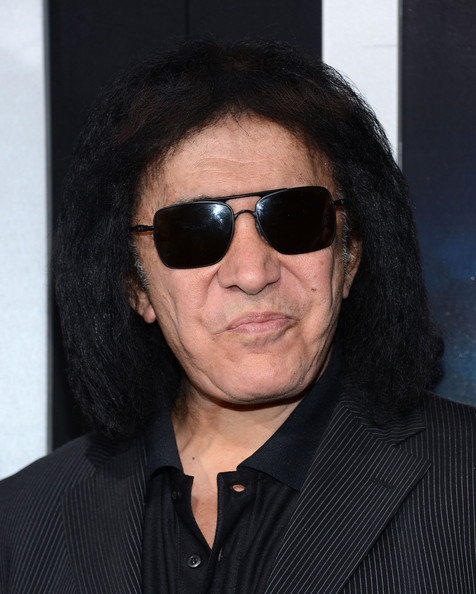
Speaking candidly, he argued that political beliefs are not public property. According to Simmons, who you support, how you vote, or what you believe should never serve as a litmus test for your character. His message was not a call to apathy, nor was it an endorsement of any ideology. Instead, it was a defense of personal boundaries. “It’s nobody’s business who you support,” he implied—a statement that feels almost radical in a culture built on constant disclosure.
The curiosity his comment sparks lies in its simplicity. Have we become so conditioned to interrogating one another’s opinions that we’ve forgotten the line between public debate and private conviction? Politics, by nature, is about collective decision-making and shared outcomes. Debate is healthy, even necessary, in a democratic society. But Simmons’ critique points to something else: the transformation of belief into identity, and identity into a weapon.
In recent years, disagreement has increasingly been treated as moral failure. To differ is not just to think differently, but to be different—to be suspect. Social media amplifies this tendency, rewarding outrage and punishment over nuance and restraint. A single opinion, expressed or assumed, can lead to public shaming, broken relationships, or professional consequences. In this environment, Simmons’ stance feels rebellious not because it demands agreement, but because it demands restraint—the willingness to let others think differently without demanding justification.
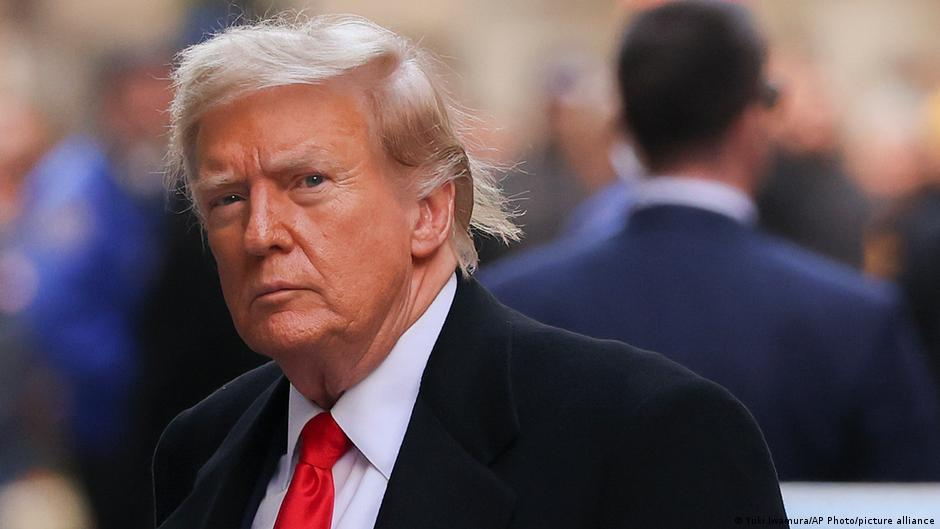
There is also a deeper question of freedom embedded in his words. What happens to personal freedom when every belief is expected to be declared, defended, and judged? Historically, the idea of a secret ballot existed for a reason: to protect individuals from coercion, retaliation, and social pressure. Privacy was seen as a safeguard of democracy. Today, that privacy is often treated as suspicious. Refusing to share one’s views can be interpreted as cowardice, complicity, or hidden malice.
Simmons challenges that assumption. By insisting that beliefs can remain private, he reasserts the right not to perform one’s politics for public consumption. This is not an argument against activism or public discourse, but a reminder that participation should be a choice, not an obligation. Silence, in this framing, is not guilt—it is autonomy.
Critics might argue that such a position risks encouraging disengagement. After all, progress has often depended on people speaking out, challenging injustice, and making their beliefs visible. That criticism has merit. History shows that silence can sometimes protect the status quo. But Simmons’ point is less about silence as virtue and more about compulsion as vice. There is a difference between choosing to speak and being forced to declare allegiance simply to be accepted.
What makes Simmons’ message resonate is that it comes from someone who has never been shy about controversy. This is not a man afraid of opinions or conflict. Instead, his perspective suggests fatigue with the endless sorting of people into political boxes. In a culture obsessed with labels, he advocates for a return to seeing individuals as more than the sum of their beliefs.
Ultimately, Simmons doesn’t offer solutions or policy prescriptions. He leaves us with questions—and perhaps that is his greatest contribution. Can we disagree without dehumanizing? Can we accept that someone’s vote does not fully define their values or character? Can we rebuild a sense of mutual respect that survives difference?
In a world that thrives on noise, outrage, and constant judgment, Gene Simmons’ call for privacy feels almost countercultural. Whether one agrees with him or not, his stance forces a pause—a moment to reconsider how much we demand of each other, and what we might be losing in the process. Perhaps the most radical idea today is not shouting louder, but knowing when to step back and let others be.