
A wave of grief swept through NASCAR circles this week after reports confirmed that retired driver Greg Biffle, his wife Cristina, and their two young children died in a private jet crash near Statesville, North Carolina.
The tragedy struck on December 18, 2025, when a Cessna Citation 550 connected to Biffle’s company went down shortly after takeoff, prompting an ongoing federal investigation into the cause.
Within hours, social media filled with tributes, shock, and a different kind of viral post: a dramatic “short message” allegedly written by George Strait that left fans “speechless” and promised a birthday memorial song.
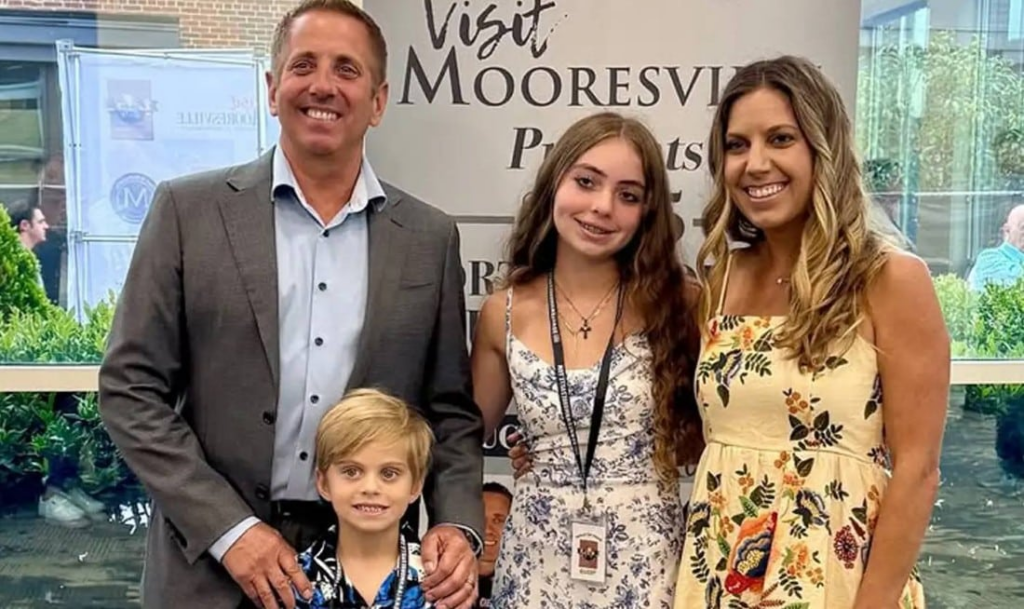
The post spread because it has everything grief-driven content thrives on—children, birthdays just days away, a famous name, and a promise that sounds like a movie ending instead of real life.
But here is the key detail many people missed while sharing it: reputable reporting has confirmed the crash and the victims, yet the specific George Strait statement described in the viral text is not reliably verified.
That doesn’t mean Strait feels nothing, and it doesn’t mean he didn’t privately reach out, but it does mean the internet can insert words into anyone’s mouth and watch it multiply.
According to major outlets covering the crash, the aircraft attempted to return toward the airport under drizzly, low-visibility conditions before impact, and all aboard were killed in the fire that followed.
The deaths hit especially hard because the victims included children—Emma, fourteen, and Ryder, five—an age pair that makes the loss feel like a door slammed on two futures at once.
Friends of the family described plans that were suddenly meaningless after the crash, including birthday expectations that turned into a nightmare of phone calls, confirmations, and unbearable finality.
That is exactly why the “birthday memorial song” angle became gasoline online, because it converts chaos into a neat emotional package that people can repost without sitting in the mess.
Country music fans know George Strait as a reserved figure who rarely chases drama, and that reputation makes fake or embellished statements feel “believable” even when no primary source appears.
The viral narrative claims Strait called the pain “irreplaceable” and vowed to dedicate a memorial song on the children’s birthday, framing it as a public promise to keep their names alive.
Yet when you look at what credible coverage actually emphasizes, the focus is on confirmed facts, community mourning, and the investigation, not on a documented Strait post with that exact wording.
This matters because grief is not just emotion now; grief has become an attention economy where the most shareable version of tragedy often outruns the most accurate one.
The phrase “FULL STORY IN THE COMMENTS SECTION” is a classic engagement hook, and it frequently appears in posts that want shares first and accountability never.
It also pressures fans into amplifying a claim without evidence, because nobody wants to look cold by asking, “Did he really say that,” when children have died.
But asking for confirmation is not cold, it is respect, because families deserve truth, not a monetized script that borrows their pain to drive clicks.
There is another uncomfortable layer here: when a story adds a celebrity tribute that may not exist, it can drown out the real tributes from people who actually knew the victims.
In tragedies, the loudest voice online is rarely the most relevant voice, and the internet often prefers famous names over authentic, local grief.
It is also worth recognizing the emotional manipulation at work when a post highlights birthdays, “reunion parties,” and “final promises,” because it’s designed to trigger instant sharing.
That design works, but it can backfire, because if the tribute is later proven false or fabricated, the public humiliation lands on the grieving community, not on the anonymous account.
Meanwhile, the confirmed reality is already devastating without embellishment: a well-known former driver, his spouse, and their children are gone, and the investigation will take time.
Investigators will examine weather, maintenance records, flight data, pilot communications, and the aircraft’s attempted return, because aviation answers rarely arrive as quickly as social media demands.
In the gap between tragedy and official conclusions, rumors thrive, and that includes everything from invented last words to fake screenshots of “statements” from celebrities who never posted anything.
Some fans argue that even if the Strait message isn’t confirmed, it “spreads awareness” and “keeps the memory alive,” so sharing it is harmless.
But that argument ignores a basic truth: awareness built on fiction trains people to trust fiction, and it makes it easier for the next viral lie to look like compassion.
Other fans get furious at the suggestion of misinformation, because they feel their grief is being policed, and they interpret fact-checking as an attack on empathy.
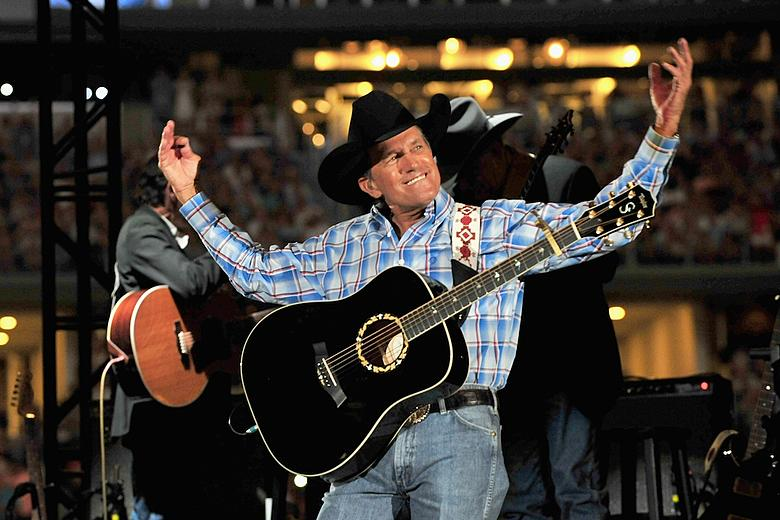
The reality is simpler: empathy and accuracy are not enemies, and the most loving thing you can do for a family in pain is not to turn their loss into a forwarded storyline.
If George Strait chooses to honor the family publicly—through a message, a dedication, or a song—there will be a clear, attributable record from official channels or confirmed reporting.
Until then, repeating a dramatic quote as fact risks turning mourning into performance, and it risks making the family’s tragedy a stage for other people’s content.
This is the point where the internet has to face its own reflection: do we share because we care, or do we share because we want to feel like we cared.

Because there is a difference between supporting a grieving family and consuming their loss as a story, and that difference is measured in whether you slow down before you repost.
In the coming days, memorials will be organized, friends will gather, and the racing community will keep telling stories about Biffle’s career and the life he built beyond the track.
Those real memories will not need invented quotes to be powerful, because the power is already in what was lost and in the people left behind to carry it.
And if a memorial song is ever dedicated, the most dignified way to honor it will be to share it with certainty, not as a rumor packaged with emotional triggers.
For now, the clearest truth is also the hardest: a family died suddenly, the investigation continues, and the rest of us should not add noise to a tragedy that already has too much.
If you want to do something meaningful, share verified information about safety updates, support legitimate community fundraisers if the family requests them, and resist posts that demand clicks through grief.
Because the world will remember Greg Biffle and his family best through honest remembrance, not through a viral script that turns their final chapter into a marketing funnel.

