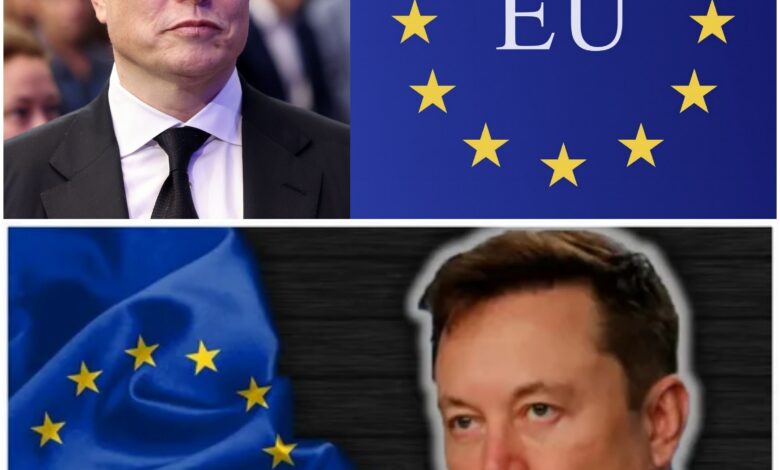
Elon Musk just shook the political world. Again. But this time, it’s not about rockets, electric cars, or AI—it’s about the European Union. “It’s time to undo the great wrong that has been committed against the people of Europe,” Musk declared, calling for sovereignty to be returned to individual EU member states. The hashtag #AbolishTheEU exploded online, trending across social media, particularly among far-right and nationalist circles. The billionaire is no longer just a tech titan; he’s stepping into global politics, headfirst.
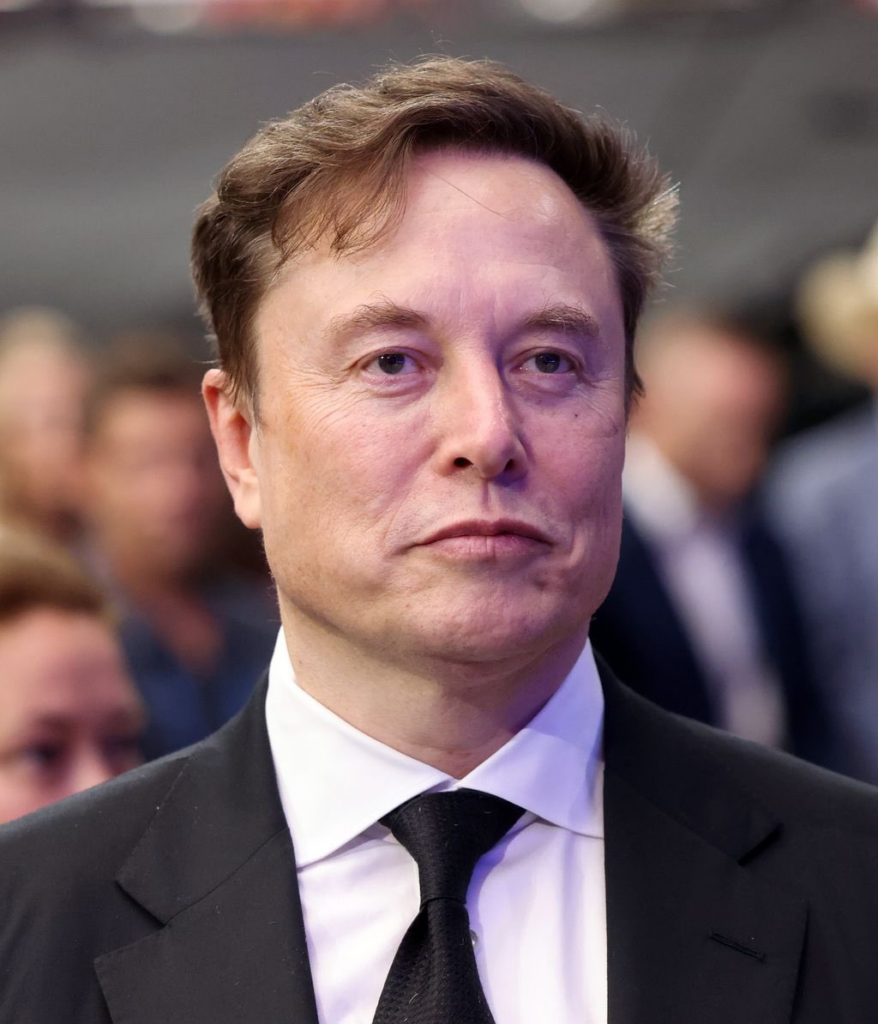
Musk’s remarks didn’t come from a quiet corner. They were loud, public, and impossible to ignore. By aligning with the growing #AbolishTheEU sentiment, Musk is riding a wave of skepticism and anger toward what critics see as overreaching governance from Brussels. His statement frames the EU as an entity that has overstepped its authority, imposing rules that, in his view, stifle innovation and limit freedom.
The backdrop of Musk’s attack is a familiar one: regulatory friction. U.S. voices, including figures linked to the Trump administration, have called EU tech laws “garbage,” echoing Musk’s criticism. European authorities, meanwhile, insist the fines and sanctions are legitimate. They argue that the enforcement actions against Musk’s companies relate to deceptive verification practices and data-blocking, not censorship. This creates a dramatic clash: Musk portrays EU oversight as a tyranny against innovation, while regulators insist they are defending transparency and consumer rights.
Social media lit up immediately. #AbolishTheEU gained traction far beyond Musk’s usual followers, drawing attention from political groups, libertarians, and nationalist networks. For them, Musk’s voice validates concerns about sovereignty and centralization. For others, it is a stark illustration of how a private individual with immense wealth and influence can reshape political discourse on an international scale. Musk is no ordinary critic; his words can reach millions in seconds, crossing borders and stirring debate.
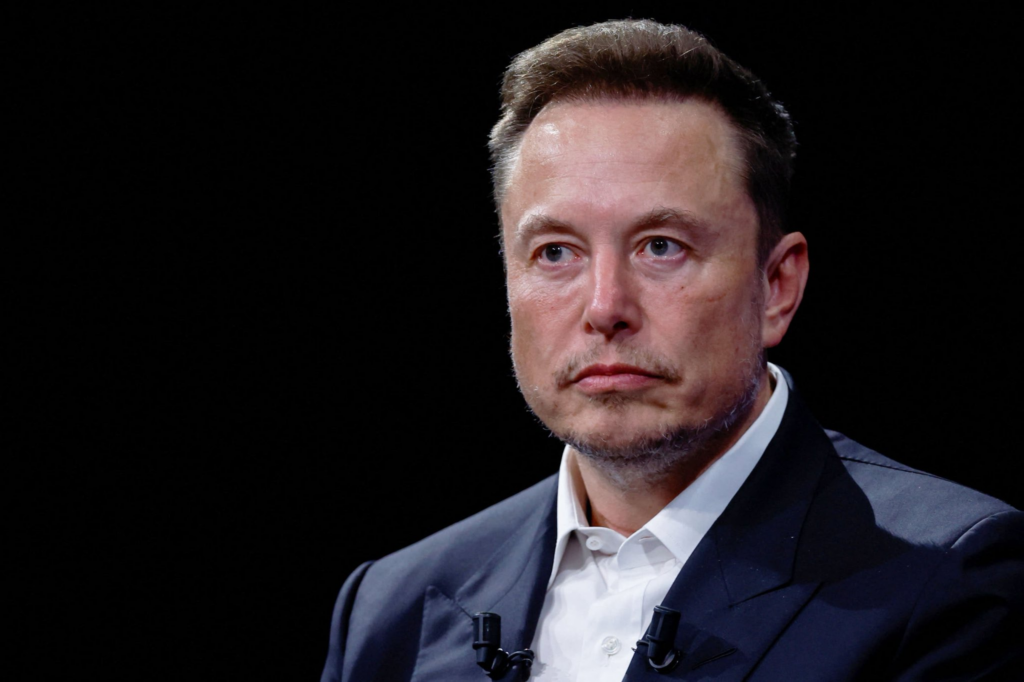
Political analysts describe Musk’s move as unprecedented. Traditionally, challenges to the EU or calls for structural reform came from governments, elected officials, or policy think tanks. Musk’s approach is different: he combines public pronouncements, social media amplification, and personal branding to intervene directly in debates usually reserved for diplomats and policymakers. The result is both spectacle and substance—a narrative clash with real-world implications.
European regulators have responded cautiously but firmly. They maintain that Musk’s companies must comply with EU rules, emphasizing that enforcement measures protect consumers and ensure market fairness. Yet, Musk’s vocal opposition turns regulatory compliance into a story of individual defiance against a 27-nation political bloc. For many, it’s a David versus Goliath scenario—one man challenging a powerful, multi-country institution.
The stakes go beyond tech compliance. Musk’s campaign raises questions about the legitimacy and reach of supranational governance. Should individual countries retain full sovereignty, or is collective decision-making necessary for Europe’s stability? Musk’s intervention intensifies this debate, turning legal fines into a symbolic fight over democracy, autonomy, and the balance of power between institutions and citizens.
Public reaction is polarized. Some hail Musk as a visionary, a champion of freedom, and a challenger of bureaucratic overreach. Others see his statements as reckless, potentially destabilizing, and oversimplifying centuries of complex European governance. Still, #AbolishTheEU is trending, and conversations are happening on Twitter, TikTok, and international news outlets. Musk has taken what might have been a niche political conversation and made it global.
Analysts also point to the ideological implications. Musk’s remarks resonate with nationalist and libertarian movements that have long criticized the EU. By publicly aligning with their cause, he lends it visibility and legitimacy that previously existed largely on the fringes. While the EU has survived past waves of criticism, Musk’s involvement represents a shift: an ultra-influential individual is now at the center of the narrative, capable of mobilizing global attention almost instantly.
This controversy highlights a new reality in 21st-century politics. Individuals with wealth, media savvy, and social influence can challenge entrenched institutions in ways previously unimaginable. Musk’s statements blur the lines between business, activism, and governance. The story is no longer only about legal compliance—it’s about ideology, power, and the role of private actors in shaping public policy.
Critics argue Musk oversimplifies a deeply complex issue. The EU is not just a bureaucratic apparatus; it’s a decades-long experiment in cooperation, economic integration, and collective security. Calls for abolition do not grapple with the logistical and political consequences of dismantling institutions that manage trade, environmental policy, and cross-border governance. Yet, Musk’s rhetorical power transforms this complex debate into a compelling narrative of freedom versus control, innovation versus regulation, and individual versus collective authority.
Meanwhile, transatlantic tensions are surfacing. In the U.S., Musk’s stance resonates with politicians critical of EU regulations, framing them as anti-American and anti-innovation. In Europe, officials defend the legal basis of enforcement actions, underscoring their aim to protect consumers and ensure fairness. The confrontation highlights a cultural and political divide: American-style individualism versus European collective governance.
Musk’s involvement has also triggered debate about the role of social media in shaping global politics. Platforms like Twitter amplify messages instantly, making it possible for a single individual to dominate conversations across continents. #AbolishTheEU illustrates how hashtags, celebrity influence, and digital media can converge to challenge established political institutions and mobilize public opinion at unprecedented speed.
Ultimately, Musk’s call to “abolish the EU” is more than a provocative tweet. It’s a global flashpoint, merging technology, politics, and ideology. By leveraging his reach, he has forced a dialogue about sovereignty, regulation, and the influence of private actors in international governance. Whether one agrees with Musk or not, the episode underscores a key reality: in the digital era, a single person can challenge institutions once thought untouchable.
Europe now faces a moment of reckoning. Musk has injected celebrity power into the debate over sovereignty and regulation, amplifying voices calling for reform or dissolution of the EU. The controversy raises broader questions about the balance of power between supranational institutions and individual countries, and the role of wealthy, influential figures in shaping public policy.
As #AbolishTheEU continues trending and debates unfold across digital platforms, the coming months will reveal whether Musk’s intervention has real political impact or remains a spectacular media moment. Either way, the story has transformed discussions about authority, accountability, and influence on a global scale. For the EU, Musk’s campaign is a reminder: in today’s interconnected world, no institution, no matter how large, is beyond scrutiny—or challenge.