ss A renowned surgeon has just spoken out about the potential risks surrounding Patrick Mahomes’ decision to undergo early ACL surgery

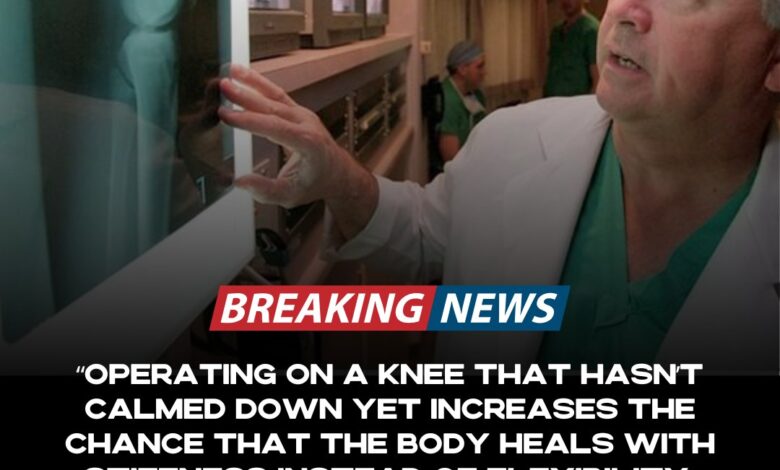
According to research and clinical guidance from organizations such as the American Academy of Orthopaedic Surgeons (AAOS) and the Hospital for Special Surgery (HSS), operating while the knee is still significantly swollen and inflamed can increase the likelihood of post-surgical complications. The most serious of these is arthrofibrosis, a condition involving excessive scar tissue formation inside the joint.
Arthrofibrosis can lead to severe knee stiffness, long-term loss of mobility, and in some cases the need for additional corrective surgery. Multiple studies have shown that patients who undergo ACL reconstruction within the first seven days after injury experience substantially higher rates of arthrofibrosis — reported as high as 18 percent, compared to roughly 6 percent when surgery is delayed at least four weeks.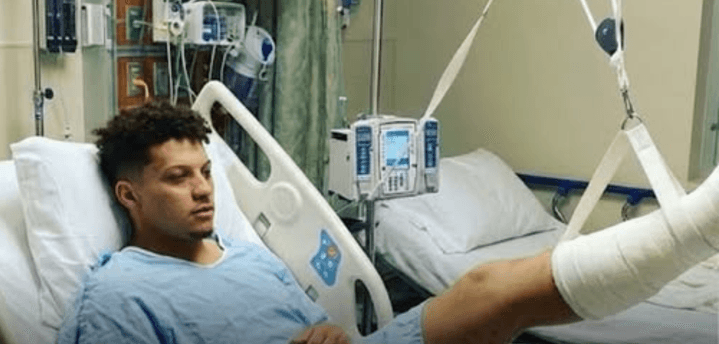
Beyond scar tissue, early surgery may also result in restricted range of motion (ROM), making it difficult for patients to fully extend or flex the knee. For athletes, especially quarterbacks who rely on precise footwork and lower-body torque, even small deficits can have lasting performance implications. Other potential complications include persistent patellar pain, prolonged inflammation, and slower early rehabilitation progress.
“Operating on a knee that hasn’t calmed down yet increases the chance that the body heals with stiffness instead of flexibility,” said one orthopedic surgery expert familiar with elite athlete rehabilitation. “That’s the trade-off teams and doctors must carefully manage.”
In standard medical practice, surgeons often recommend waiting two to six weeks before ACL reconstruction. This period allows swelling to subside and gives patients time to restore near-normal ROM through prehabilitation, which has been shown to improve long-term outcomes.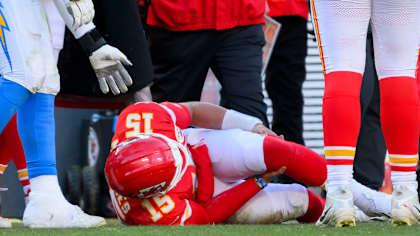
Mahomes’ case, however, falls outside the norm. For elite professional athletes, early surgery is sometimes intentionally chosen to intervene before inflammatory responses fully develop and to accelerate the overall recovery timeline. With constant monitoring, advanced rehab protocols, and specialized medical teams, early intervention is widely viewed as acceptable — and not malpractice — in professional sports medicine.
Still, experts stress that early surgery is not without consequence. The margin for error is thin, and recovery will depend heavily on strict inflammation control, disciplined rehabilitation, and careful progression.
For Mahomes, the surgery itself may have been swift, but the true test begins now — navigating a recovery process where timing, precision, and patience will determine whether early intervention becomes an advantage or a long-term risk.