SK While lower levels of fat deep in the abdomen also help to keep the brain youthful, maintaining muscle appears to be a crucial contributor to cerebral health, according to the research

Unlock the Editor’s Digest for free
Roula Khalaf, Editor of the FT, selects her favourite stories in this weekly newsletter.
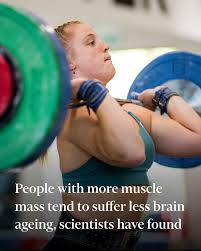
People with more muscle mass tend to suffer less brain ageing, scientists have found, highlighting a potential downside of using weight-loss drugs that lead to loss of brawn as well as fat.
While lower levels of fat deep in the abdomen also help to keep the brain youthful, maintaining muscle appears to be a crucial contributor to cerebral health, according to the research released on Monday.
The study, presented to the Radiological Society of North America annual meeting, comes as questions grow about the long-term impact of so-called GLP-1 medicines used to combat obesity, such as Ozempic, Wegovy and Mounjaro.

“Losing fat — especially visceral fat — while preserving muscle volume would have the best benefit on brain ageing and brain health based on insights from our work,” said Cyrus Raji, senior author of the research and an associate professor of radiology and neurology at the Washington University School of Medicine in Missouri.
“Our study can inform future treatments by promoting research that . . . can help determine the optimal dosing regimens for GLP-1s to achieve the best outcomes in body and brain health.”
The scientists examined 1,164 healthy people with an average age of just over 55, estimating brain ageing from structural magnetic resonance imaging (MRI) scans of the organ.
They combined this with whole-body MRI scan data to produce images of muscle mass and levels of visceral fat, which is buried beneath the body’s surface and surrounds vital organs. They used an artificial intelligence algorithm to examine the relationships between the various factors, plus levels of subcutaneous fat just under the skin.
They found that participants with higher muscle mass had lower brain ages, as did those with a lower visceral fat-to-muscle ratio. They did not observe a relationship between levels of subcutaneous fat and brain age. The research has not yet been fully peer reviewed, which is standard practice for studies presented at conferences.

GLP-1 drugs were originally devised to combat diabetes but have been embraced by millions of people as an effective way to lose significant weight. Many users report losing muscle as well as fat, with studies suggesting lean body mass can account for 15 to 40 per cent of the total weight shed.
Many drugmakers are working on developing the next generation of obesity treatments that would better preserve muscle mass.
The research presented at the radiological society was “powerful” because of its combination of MRI scans with AI-calculated brain ages in a large sample size, said Henry Chung, lecturer in physiology and nutrition at Essex university. It echoed other studies linking increasing muscle mass to healthier metabolism, lower inflammation and better bodily ageing, he added.
“This specific research definitely strengthens the argument for being cautious with GLP-1 . . . treatments,” Chung said. “And clearly, regarding muscle loss, it strongly reinforces the need for exercise [including] resistance training and adequate protein intake while taking them.”